

Timeline
History of the IES
Seven decades in the service of India’s economy
The Indian Economic Service was constituted on 1 November 1961, after nearly a decade of deliberation that began with a Cabinet discussion in 1952. This timeline traces 46 milestones in its story — from the debates that shaped it, through its examinations, training and cadre reviews, to the officers who serve in it today.
 1950s 1952 – 1958
The idea takes shape: committees debate a dedicated economic cadre.
 1960s 1961 – 1969
The IES is born on 1 Nov 1961; first examination, first training.
 1970s 1970 – 1977
Career management matures; the syllabus comes under review.
 1980s 1986
Rising aspirations: competition across UPSC examinations grows.
 1990s 1990 – 1999
Reform era: recruitment reforms and the first cadre review.
 2000s 2000 – 2009
Second and third cadre reviews; steady induction of new batches.
 2010s 2010 – 2018
Golden Jubilee in 2012; SARTTAC partnership begins in 2017.
 2020s 2020 – 2025
The service today: fifth cadre review and the newest cohorts.
The First Spark
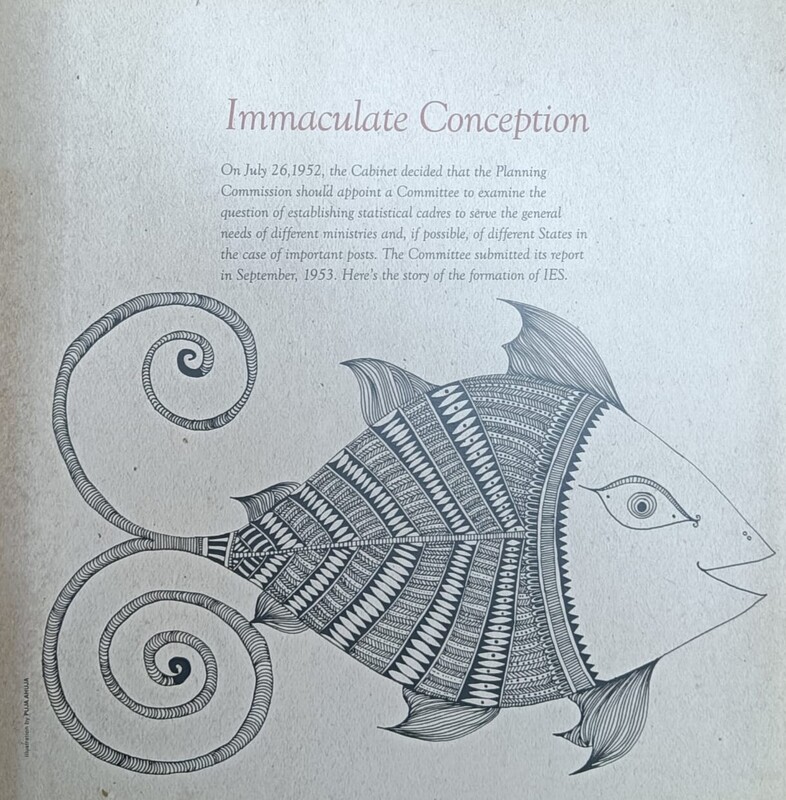
The Cabinet initiates discussions on the feasibility of creating specialised statistical cadres to meet the analytical needs of government ministries.
Source: On the Turnpike: Indian Economy Since 1947 and Indian Economic Service at 50 by T.C.A. Srinivasa Raghavan
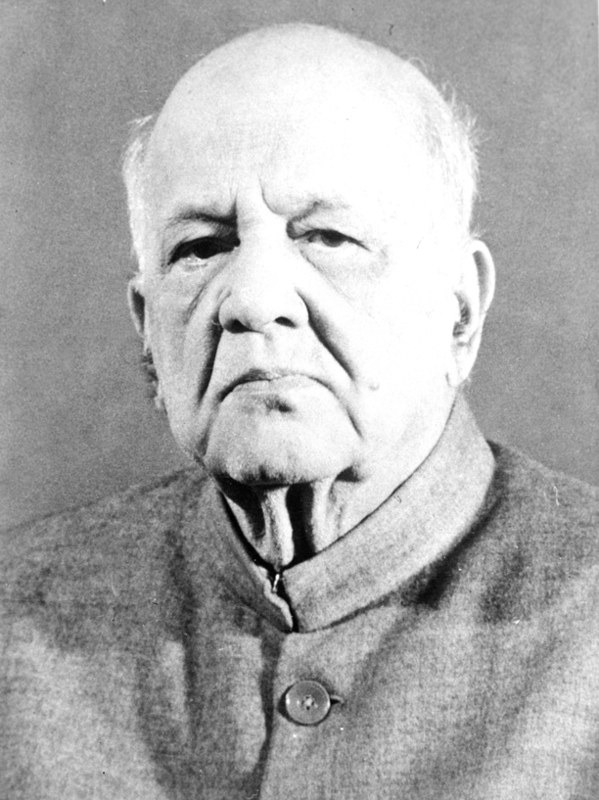
A Formal Proposal
The V. T. Krishnamachari Committee recommends the formation of a Statistical and Economic Advisory Service.
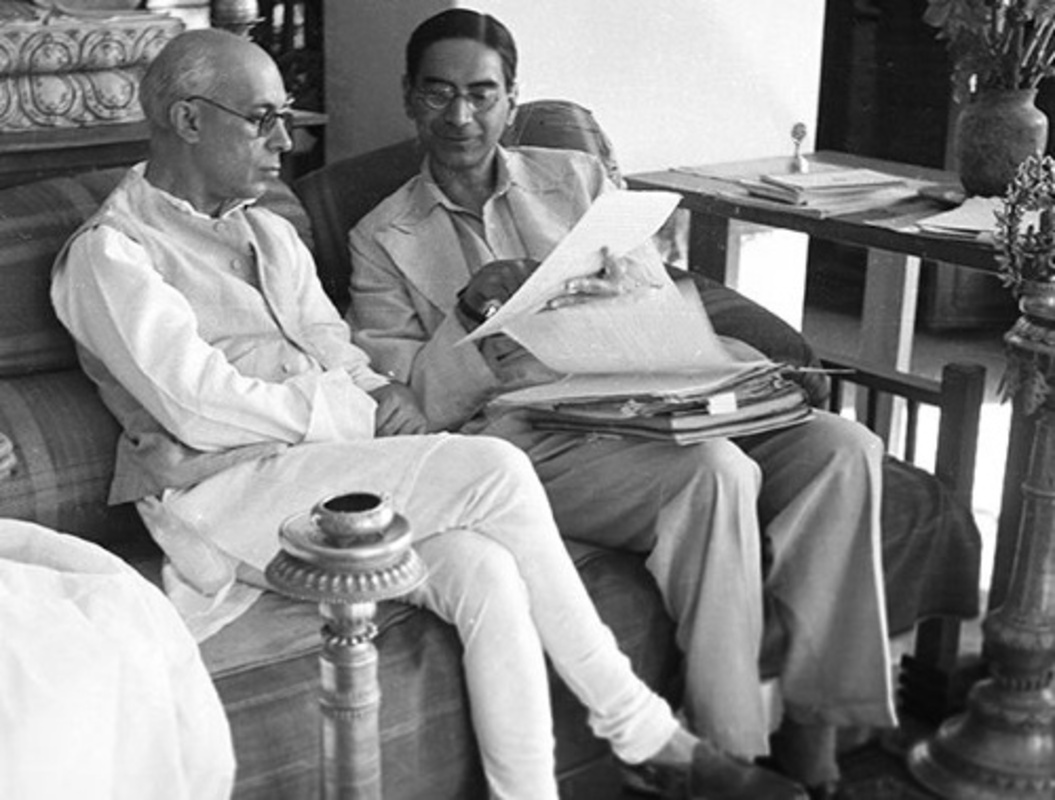
A Critical Dissent
P. C. Mahalanobis opposes a combined service and proposes the creation of a Central Statistical Pool.
Source: ISI Archive
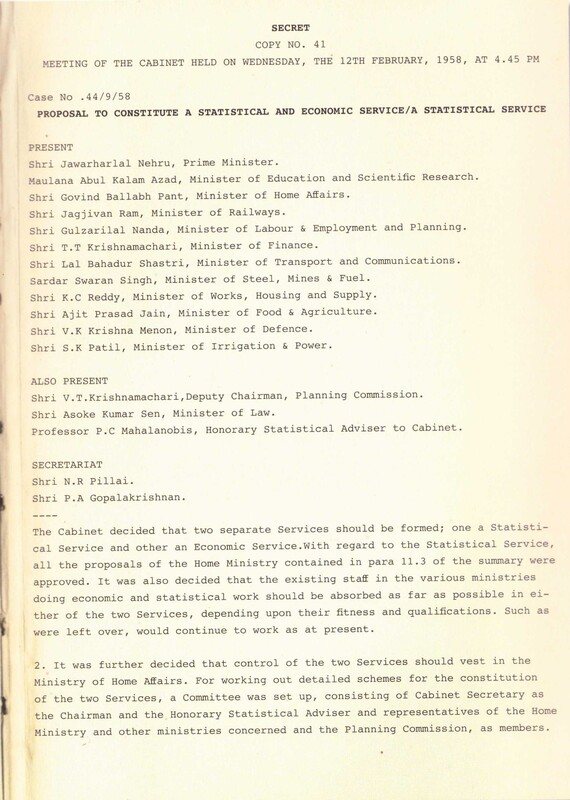
Decisive Clarity
The Cabinet decides to establish two separate services—a statistical service and an economic service.
Source: On the Turnpike: Indian Economy Since 1947 and Indian Economic Service at 50 by T.C.A. Srinivasa Raghavan
The IES is Born
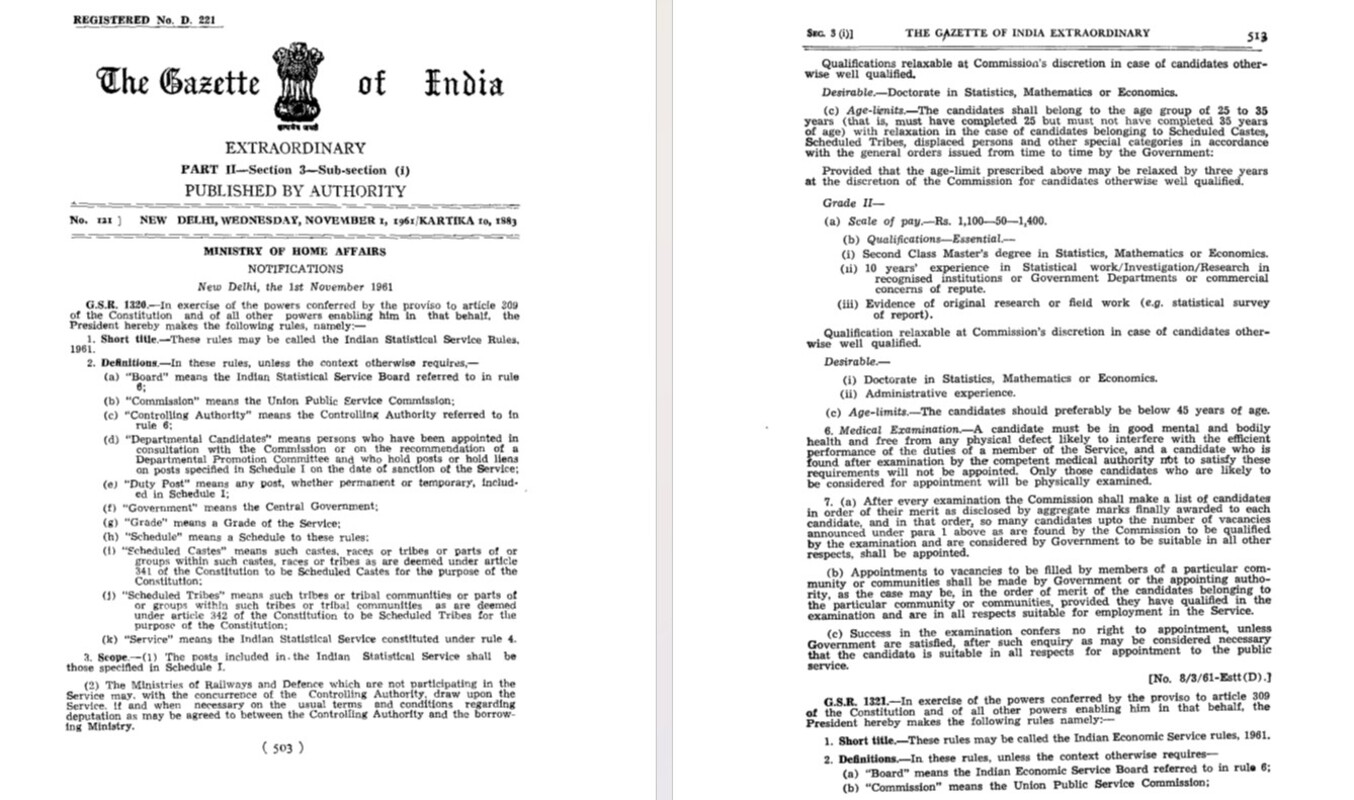
The Indian Economic Service is formally constituted on 1 November 1961, with Service Rules notified on the same day.
Source: Gazette of India dated November 1, 1961
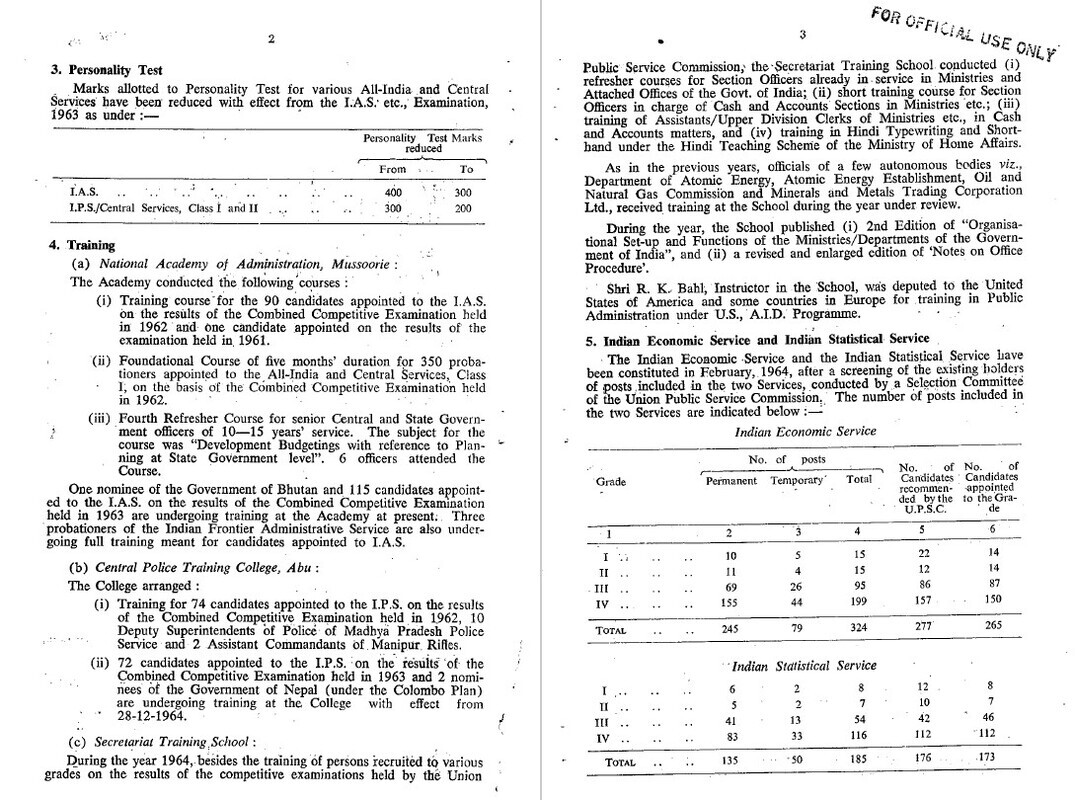
Making It Operational
The service becomes functional through induction of officers already engaged in economic analysis work.
Source: MHA Annual report 1964-65
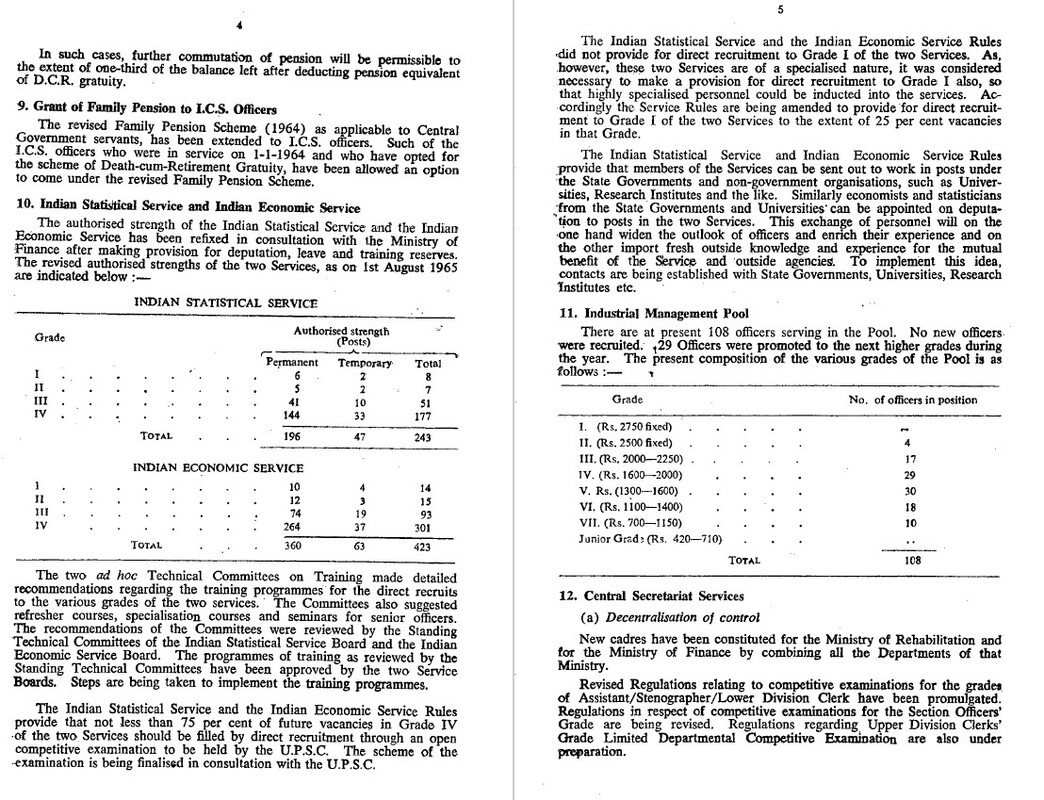
Training Foundations
Initial training takes shape through refresher courses, specialisation programmes, and senior-level seminars.
Source: MHA Annual report 1965-66
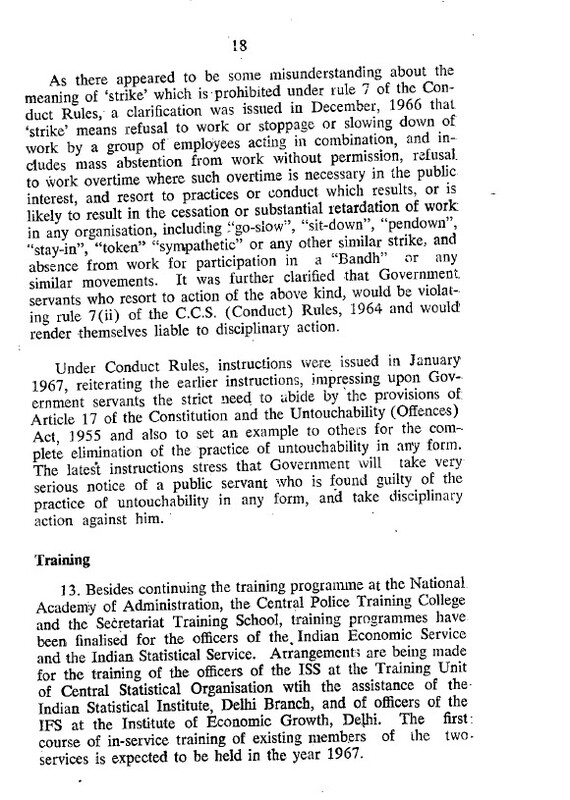
Academic Partnership
The Institute of Economic Growth, New Delhi, becomes an important training partner for IES.
Source: MHA Annual report 1966-67
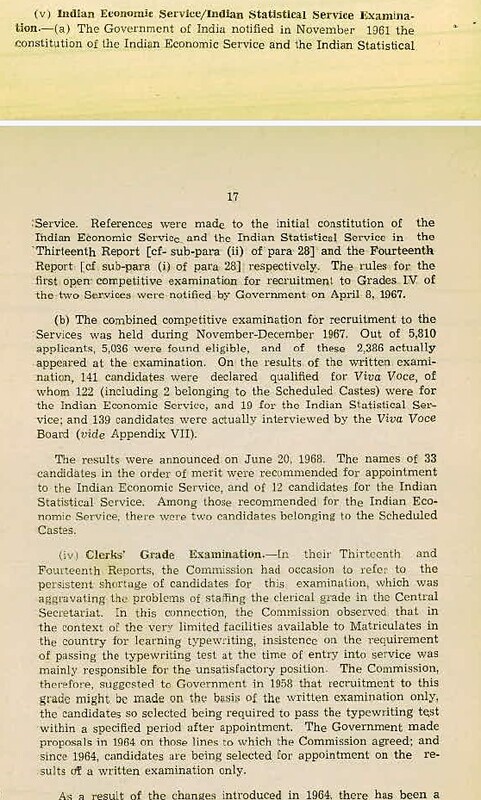
First Competitive Examination
The inaugural direct recruitment examination is conducted during November–December 1967.
Source: UPSC annual report 1967-68
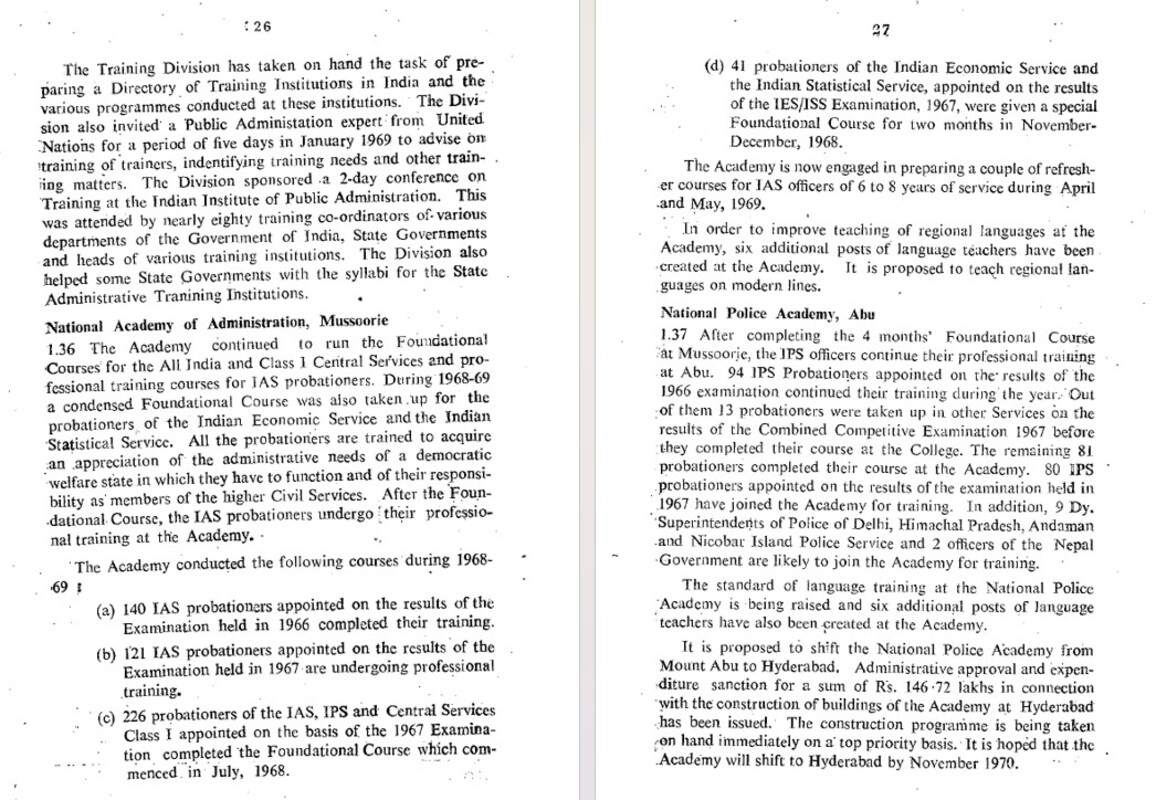
Shared Foundations
IES probationers undergo the Special Foundation Course at the National Academy of Administration, Mussoorie.
Source: MHA Annual report 1968-69
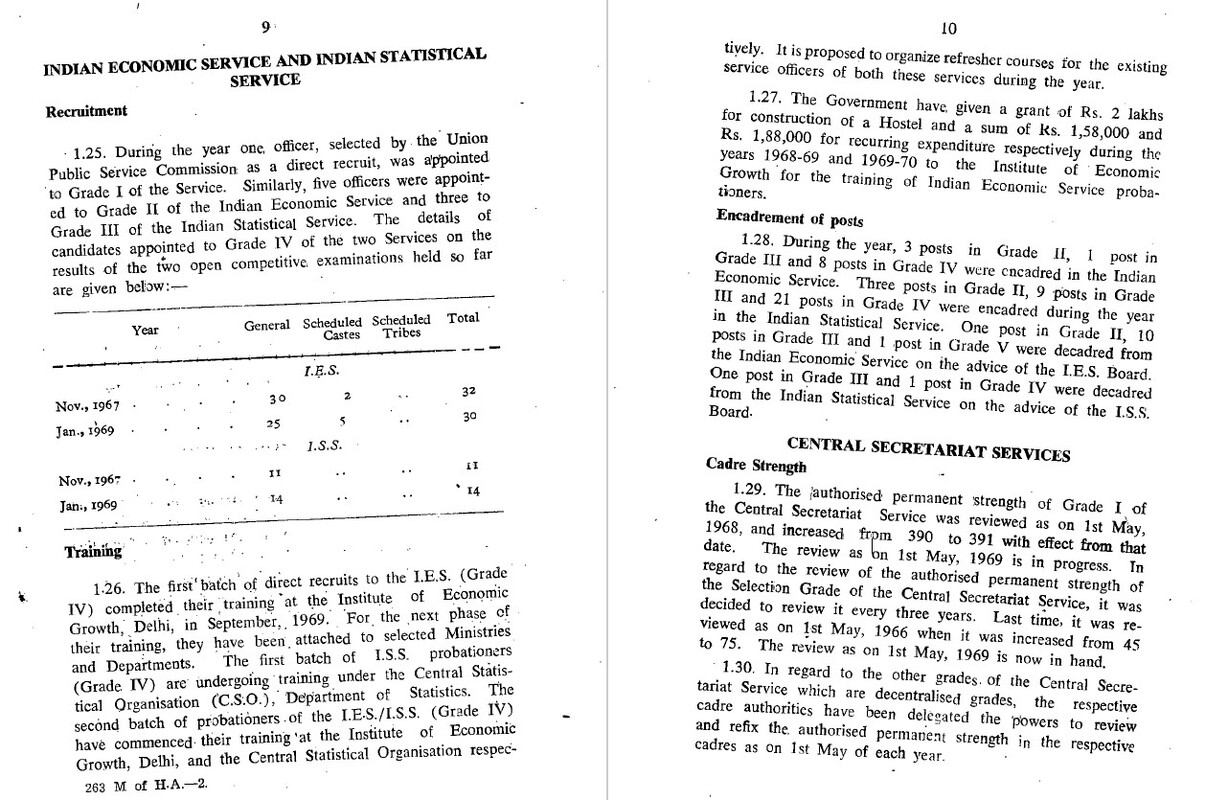
Infrastructure for Learning
Government grant supports the construction of the IEG Hostel.
Source: MHA Annual report 1969-70
Capacity Building
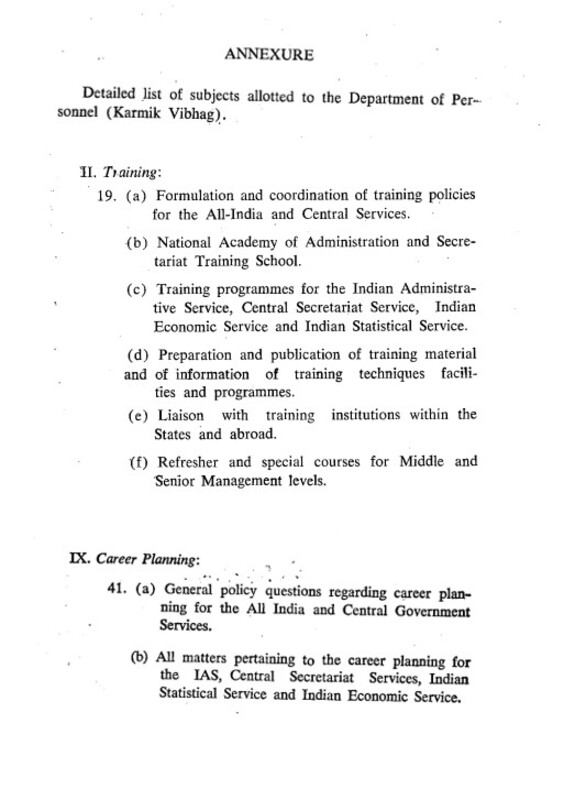
The Department of Personnel oversees training programmes and career planning for IES officers.
Source: MHA Annual report 1970-71
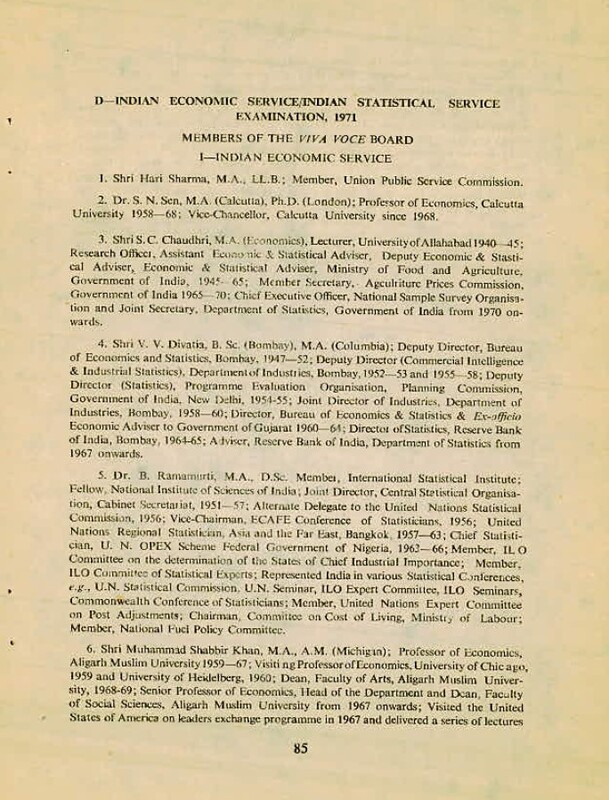
Selection in Focus
A glimpse of the viva-voce board highlights the final stage of IES recruitment.
Source: UPSC annual report 1971-72
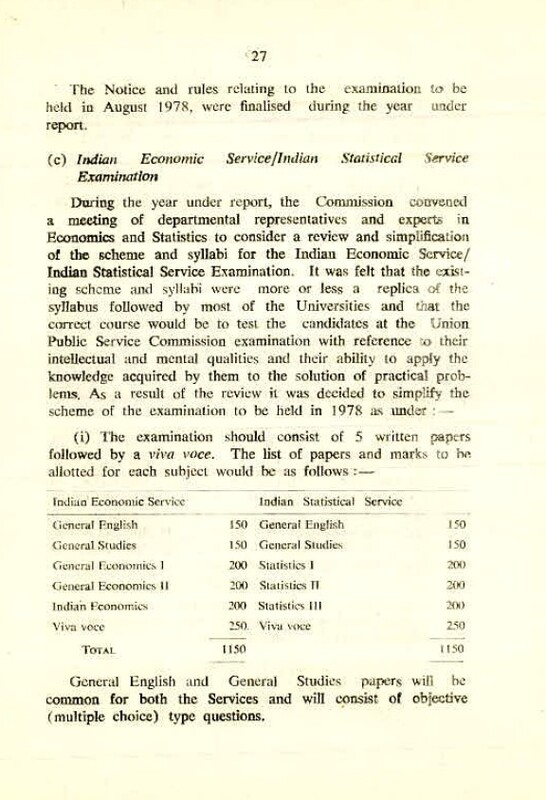
Curriculum Update
The need for revision of the IES examination syllabus is formally recognised.
Source: UPSC annual report 1977-78
Rising Aspirations
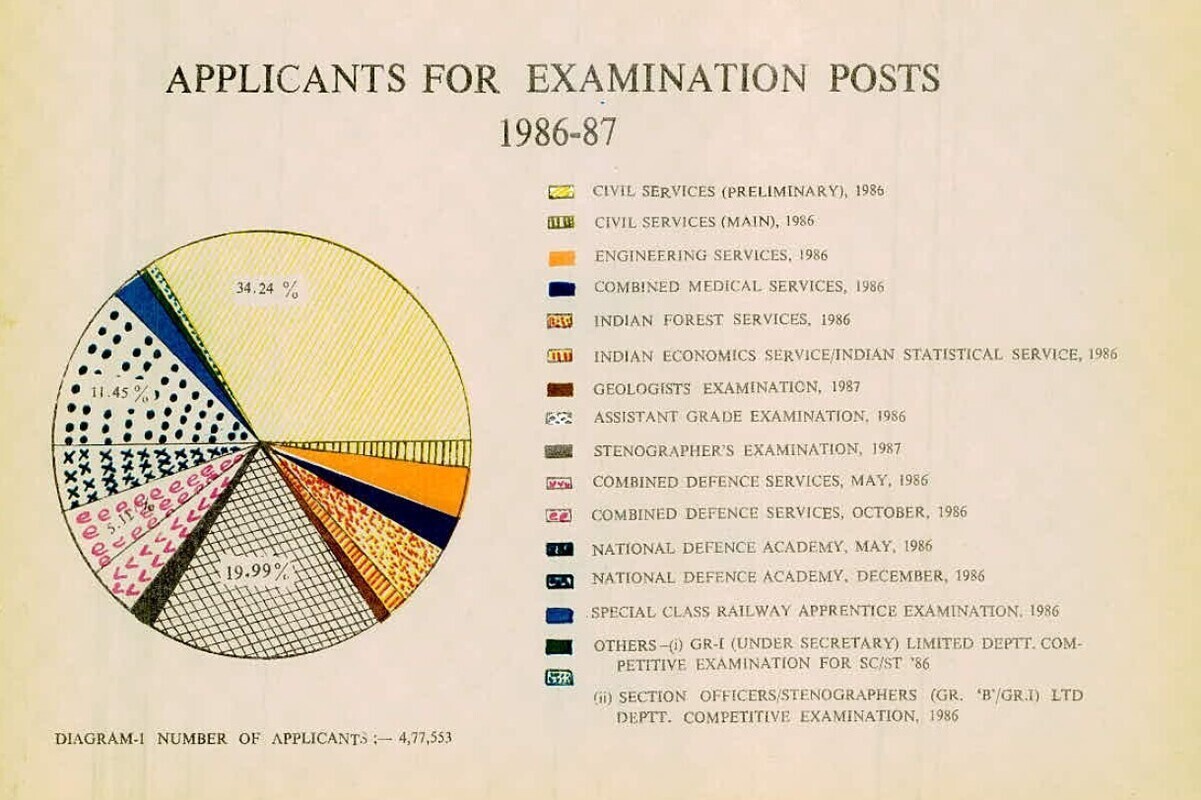
Applicant shares across UPSC examinations provide perspective on competition levels.
Source: UPSC annual report 1986-87
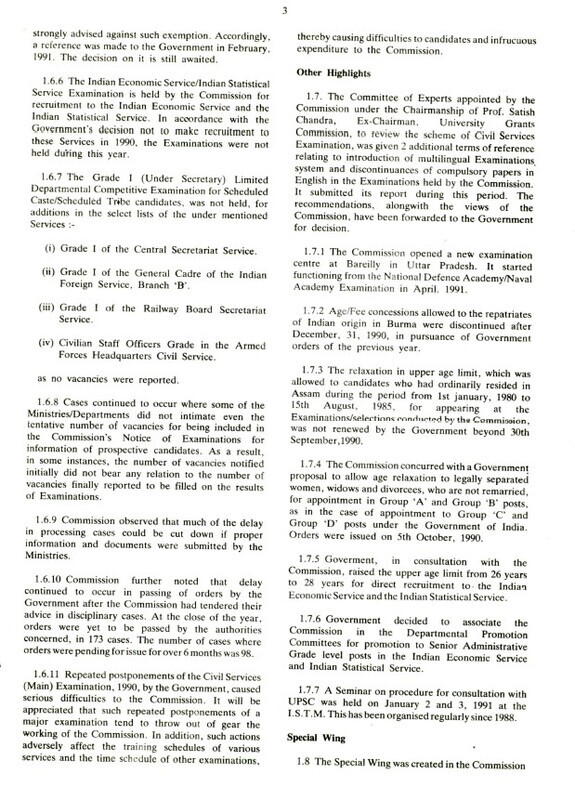
Recruitment and Promotion Reforms
Age limits for direct recruitment are revised and UPSC is associated with SAG-level promotions.
Source: UPSC annual report 1990-91
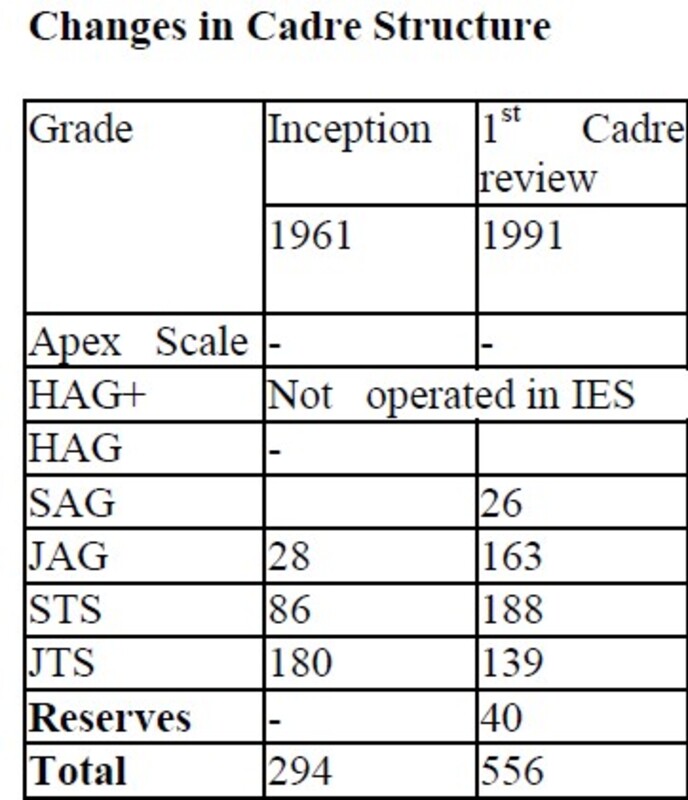
First Cadre Review
An assessment of cadre structure, strength, and career progression is undertaken.
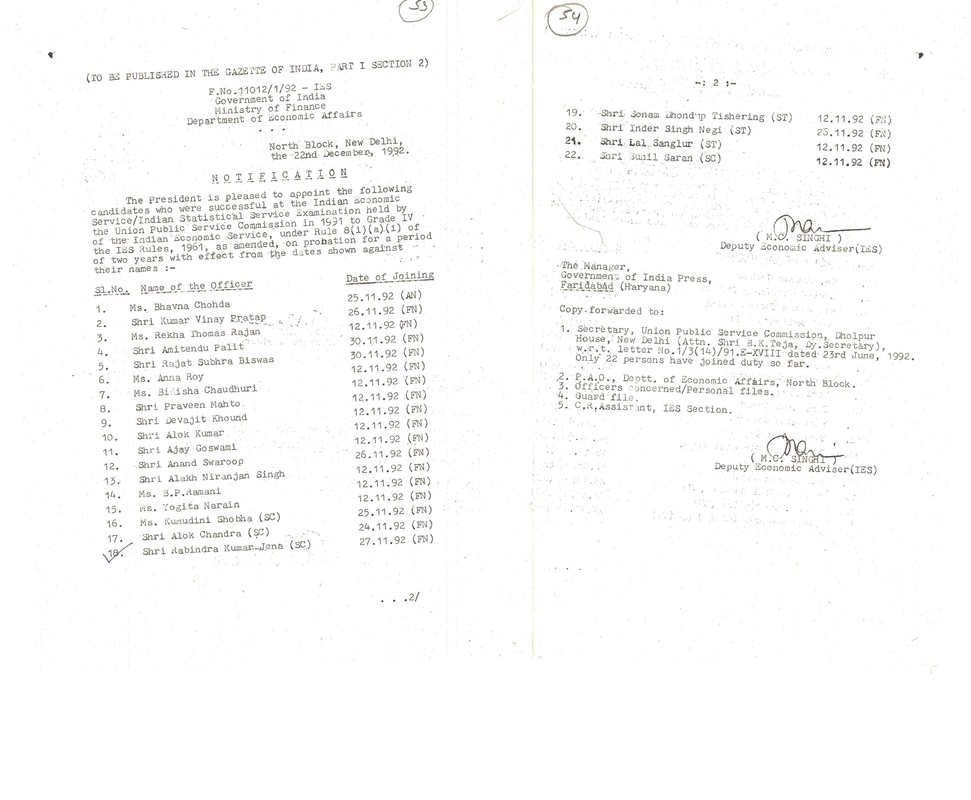
1992 Batch
A new cohort joins the Indian Economic Service.
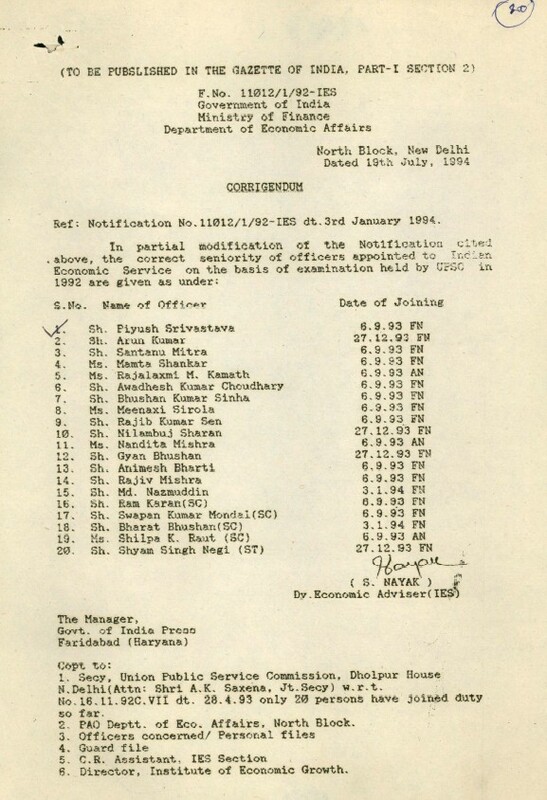
1993 Batch
Continued induction strengthens the service’s analytical capacity.
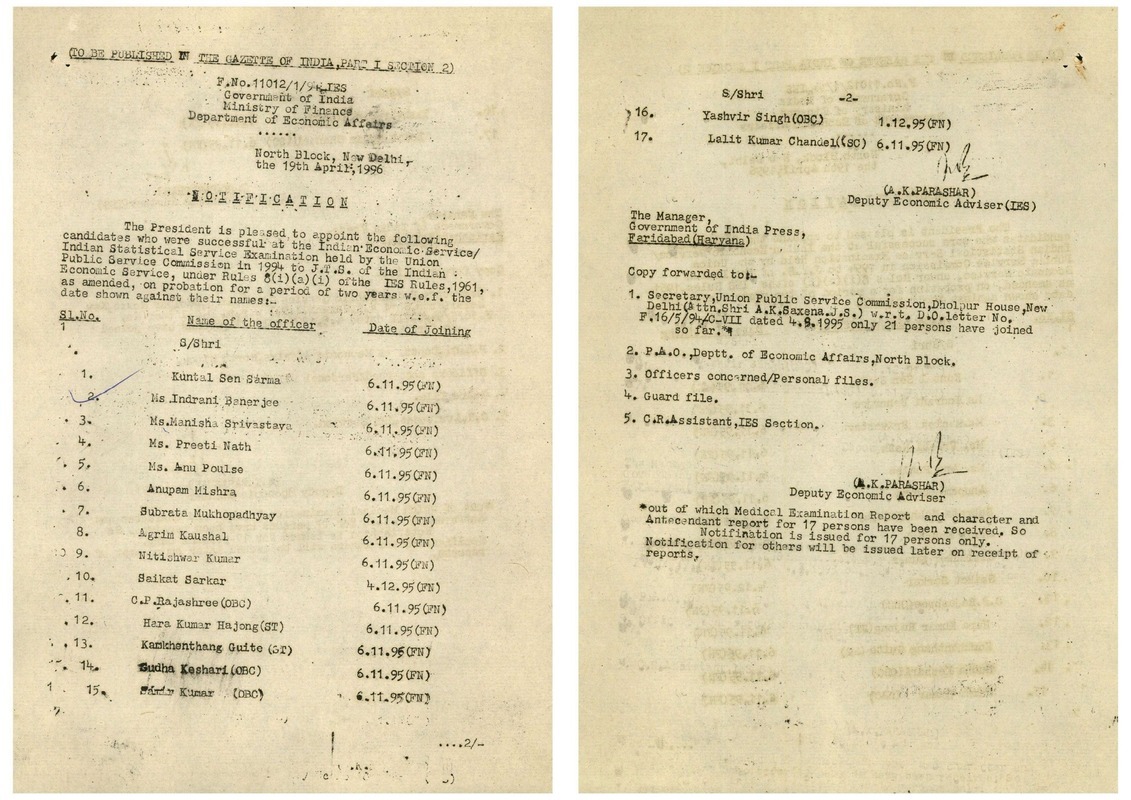
1995 Batch
Strengthening the cadre through expanded intake
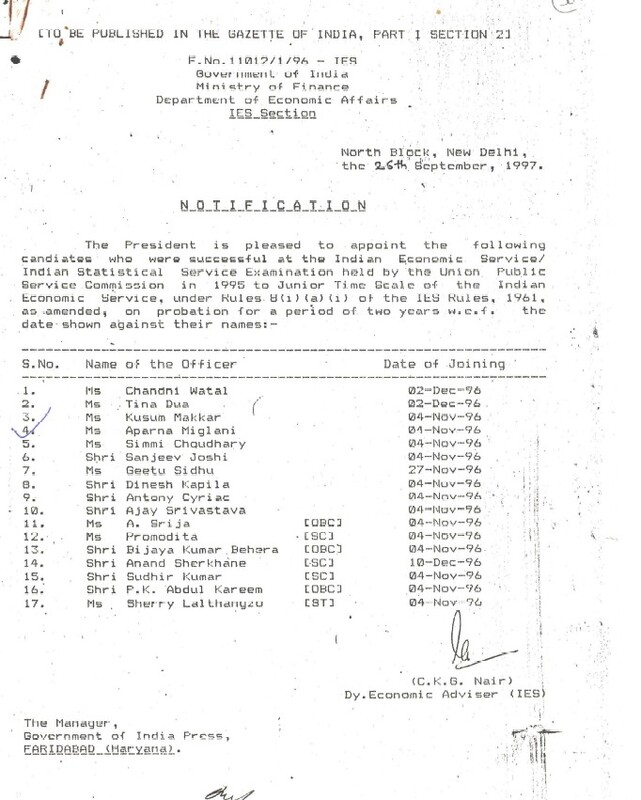
1996 Batch
Expansion of the cadre with fresh entrants.
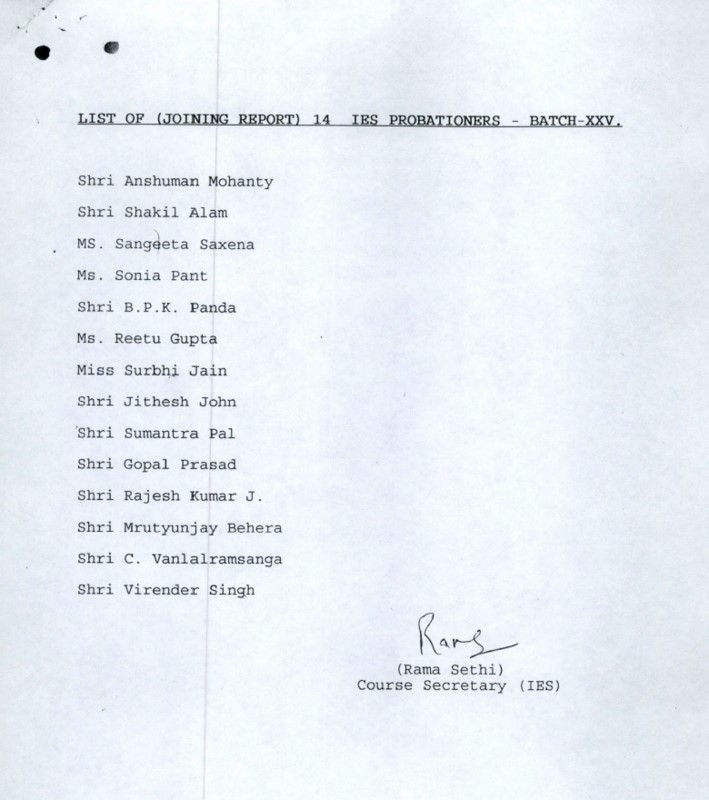
1999 Batch
Officers join as economic governance approaches a new millennium.
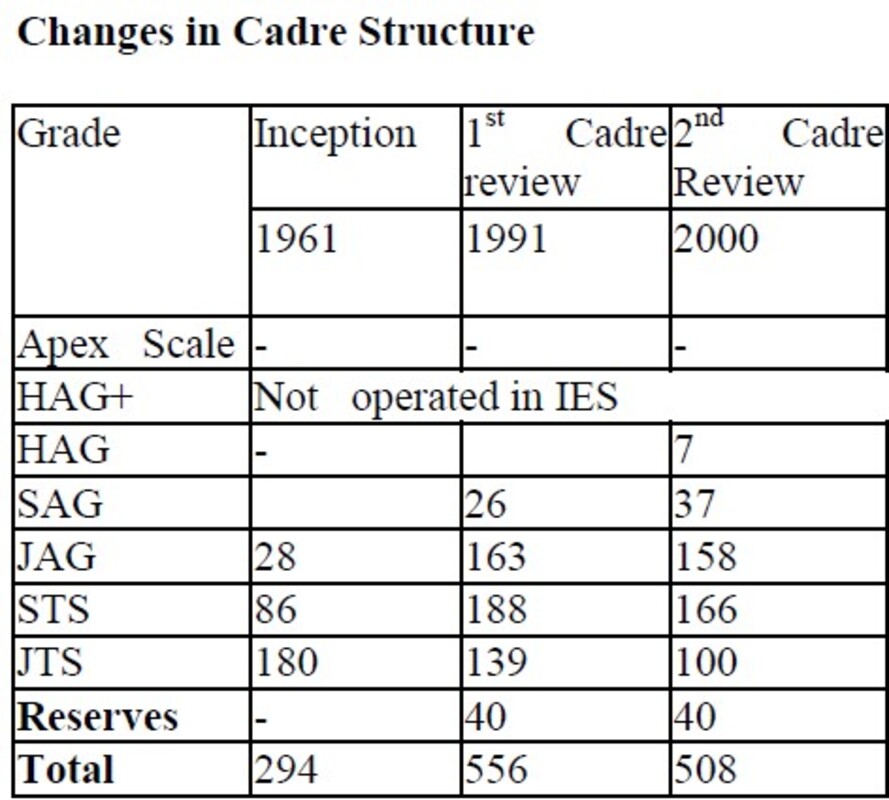
Second Cadre Review
Reassessment of cadre requirements in a changing administrative environment.
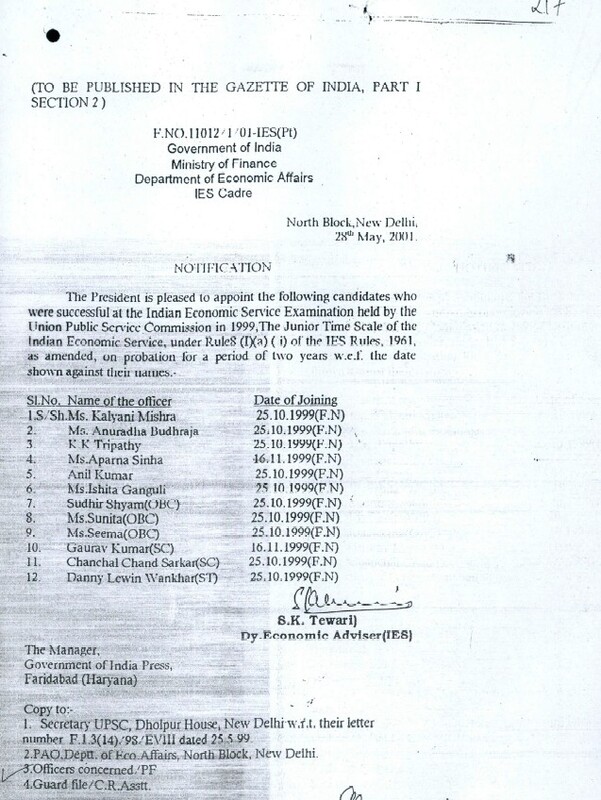
2001 Batch
Appointments formally notified through Gazette notification.
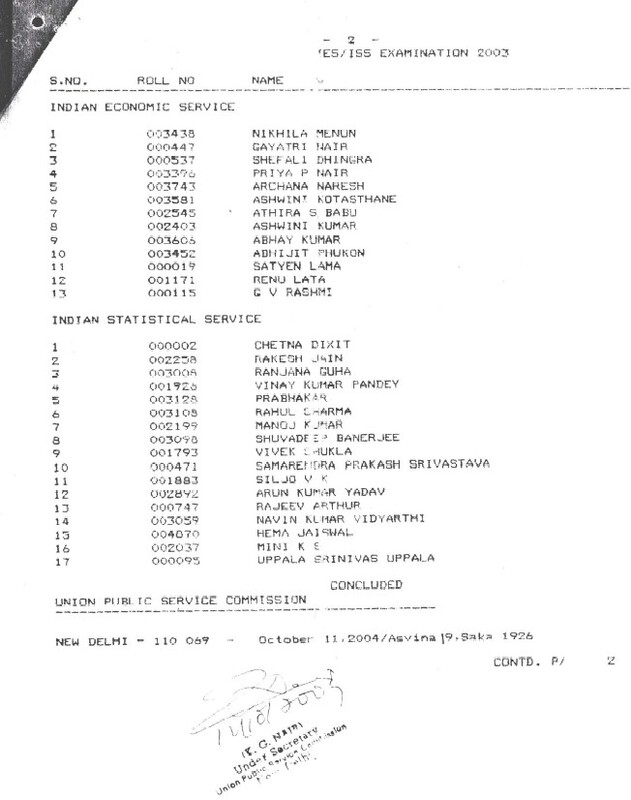
2003 Batch
Gazette notification marks official induction.
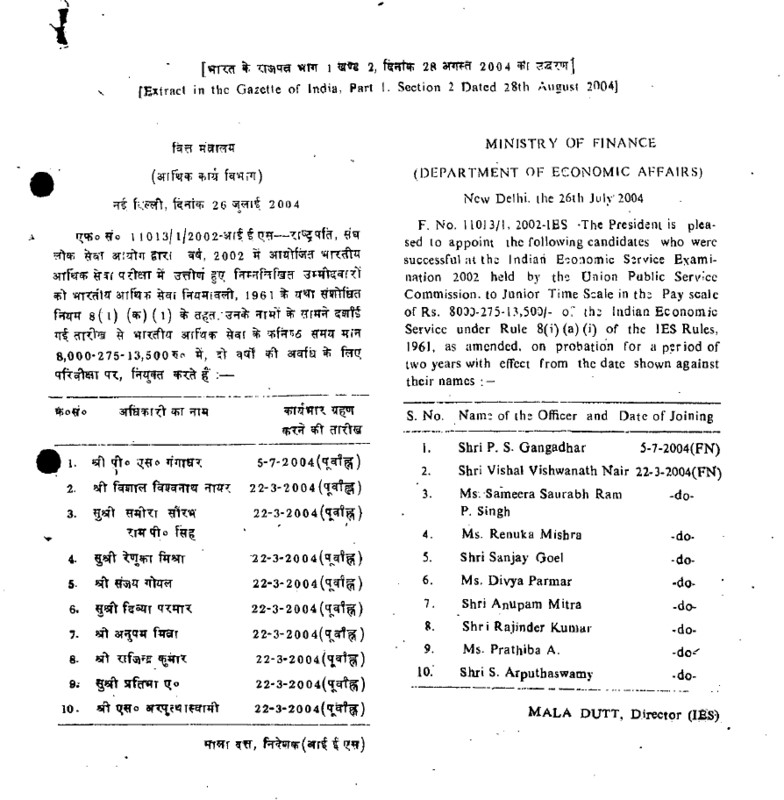
2004 Batch
Another cohort formally appointed to the service.
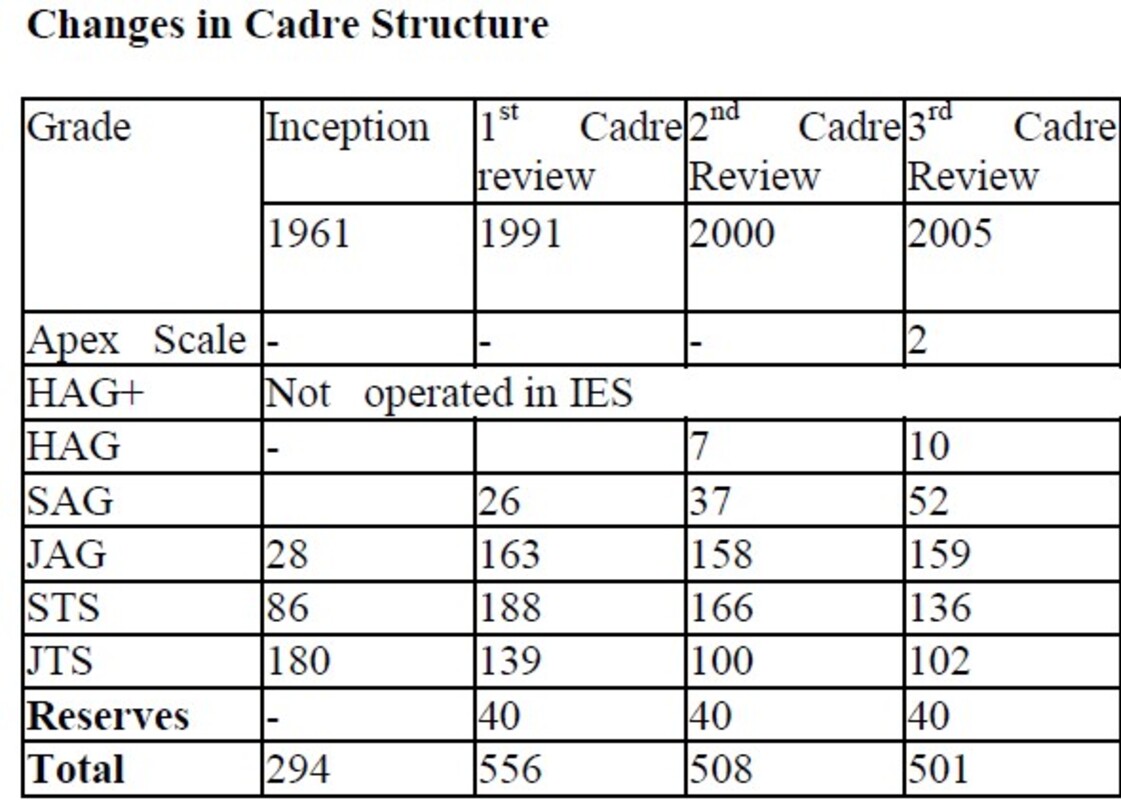
Third Cadre Review
Further refinement of cadre structure to match expanding policy roles
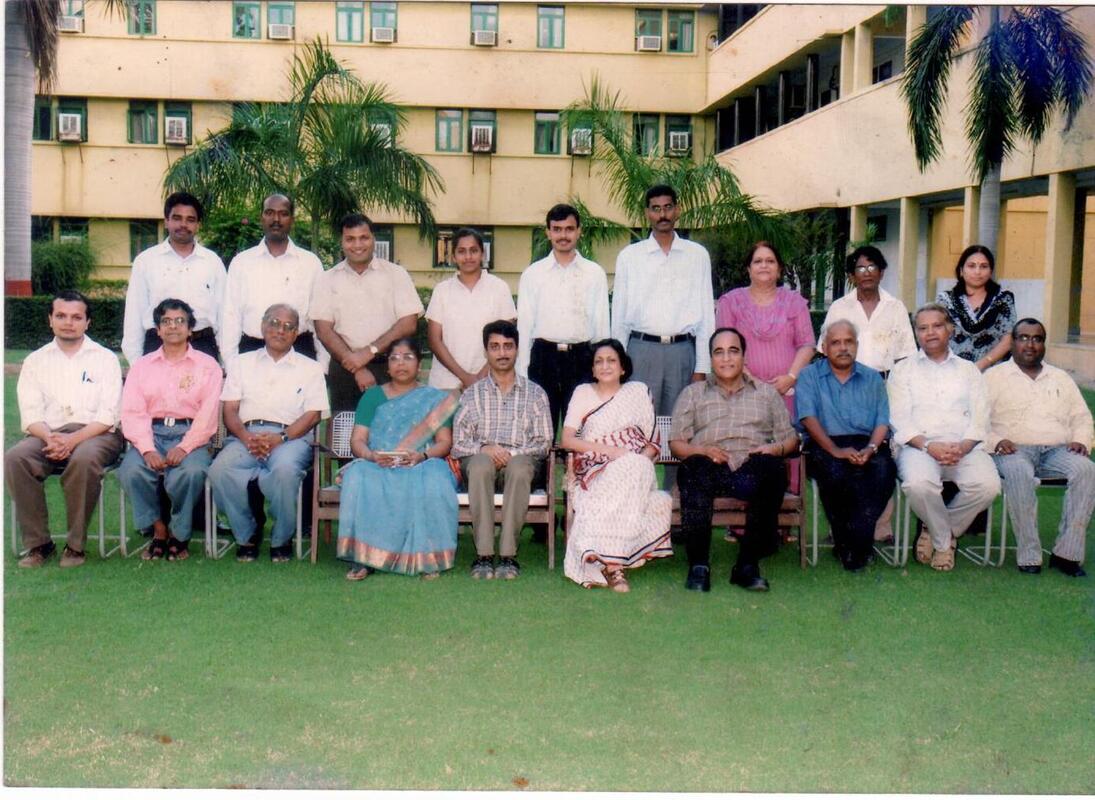
2006 Batch
A batch photograph captures this cohort of officers.
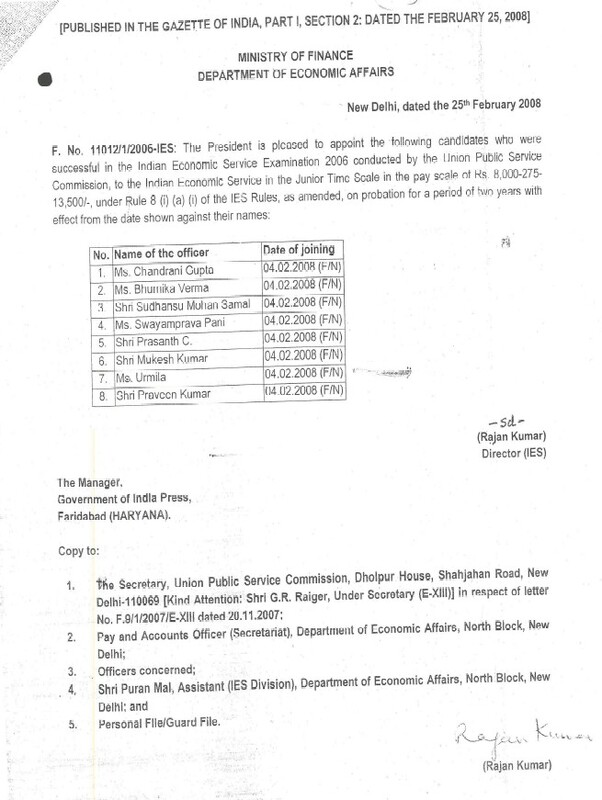
2007 Batch
Appointment notified through Gazette notification.
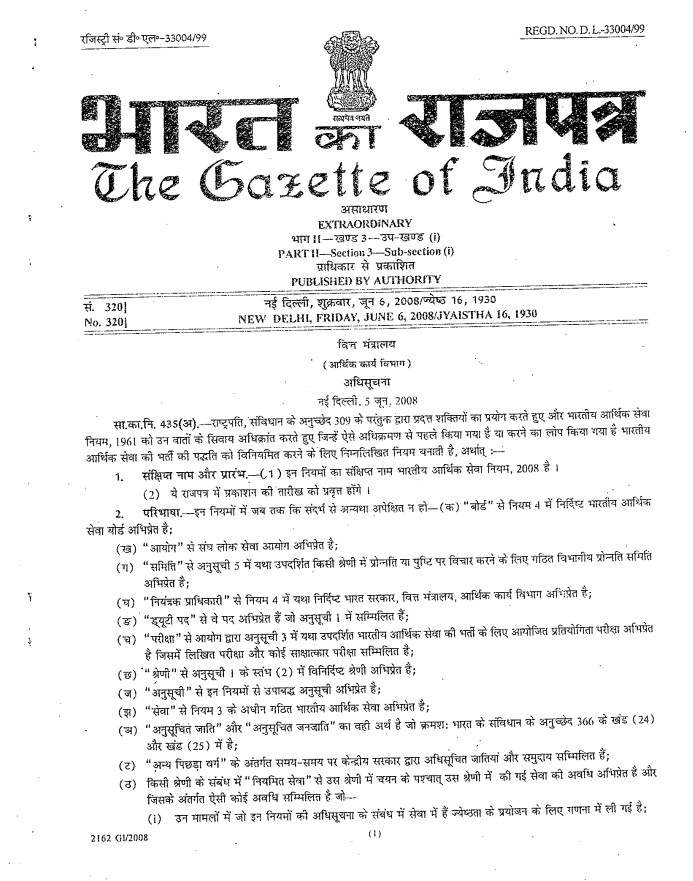
IES Rules, 2008
The IES Rules, 2008 were notified.
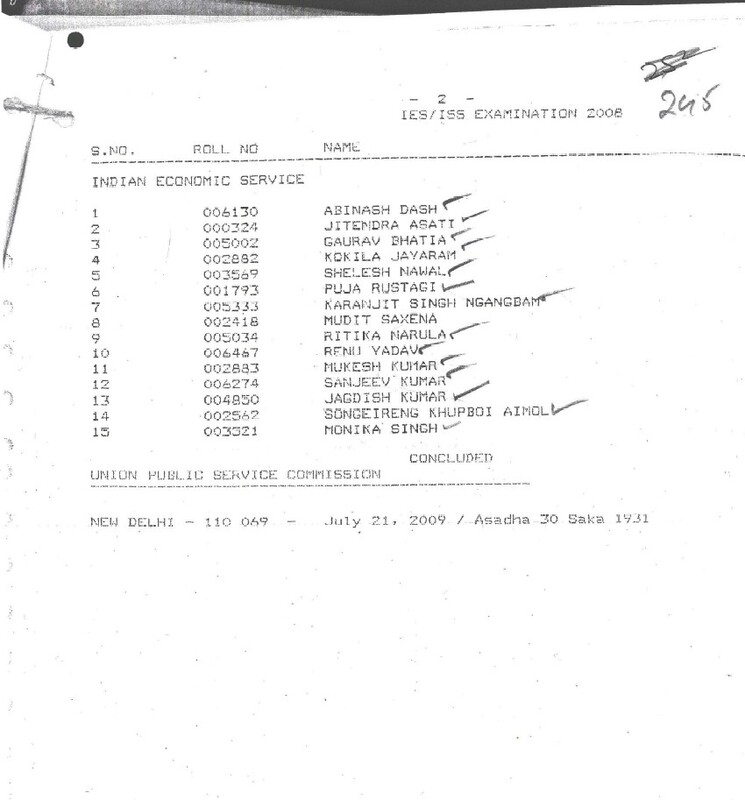
2009 Batch
UPSC results announced for IES recruitment.
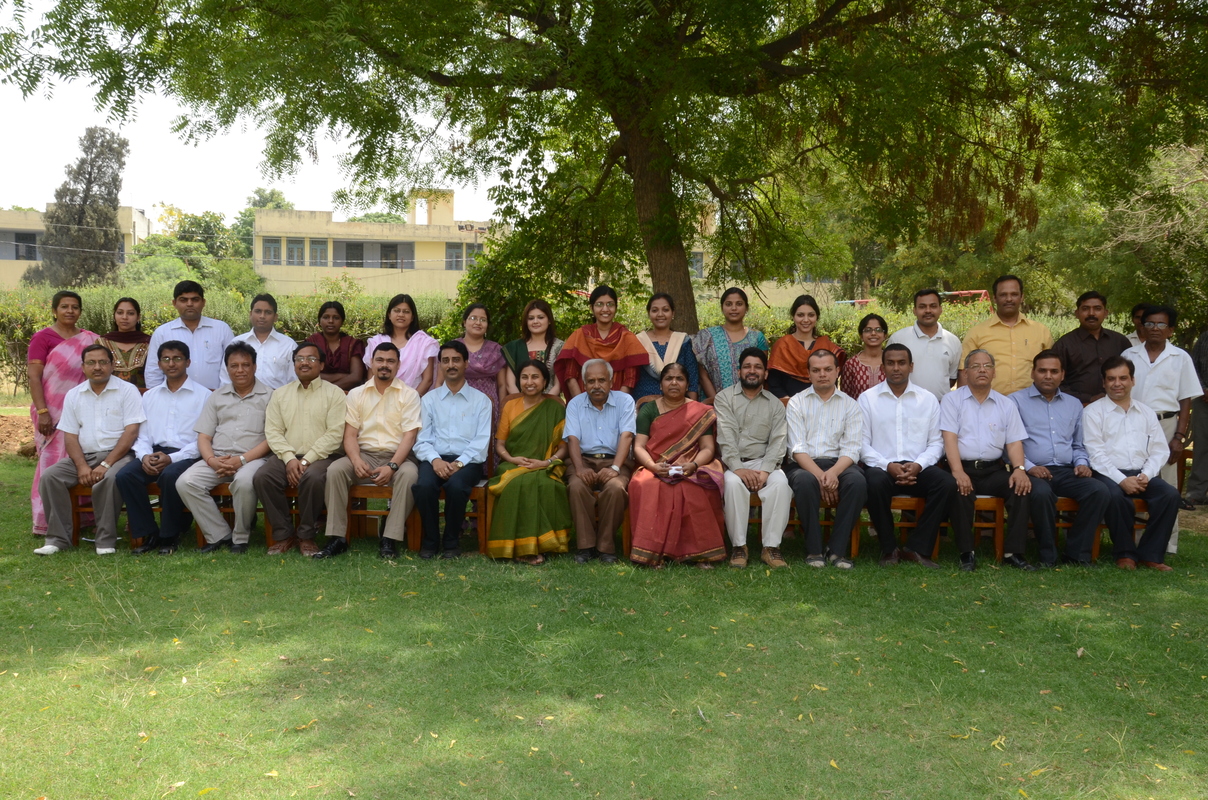
2010 Batch
Entry of officers marking the start of a new decade.
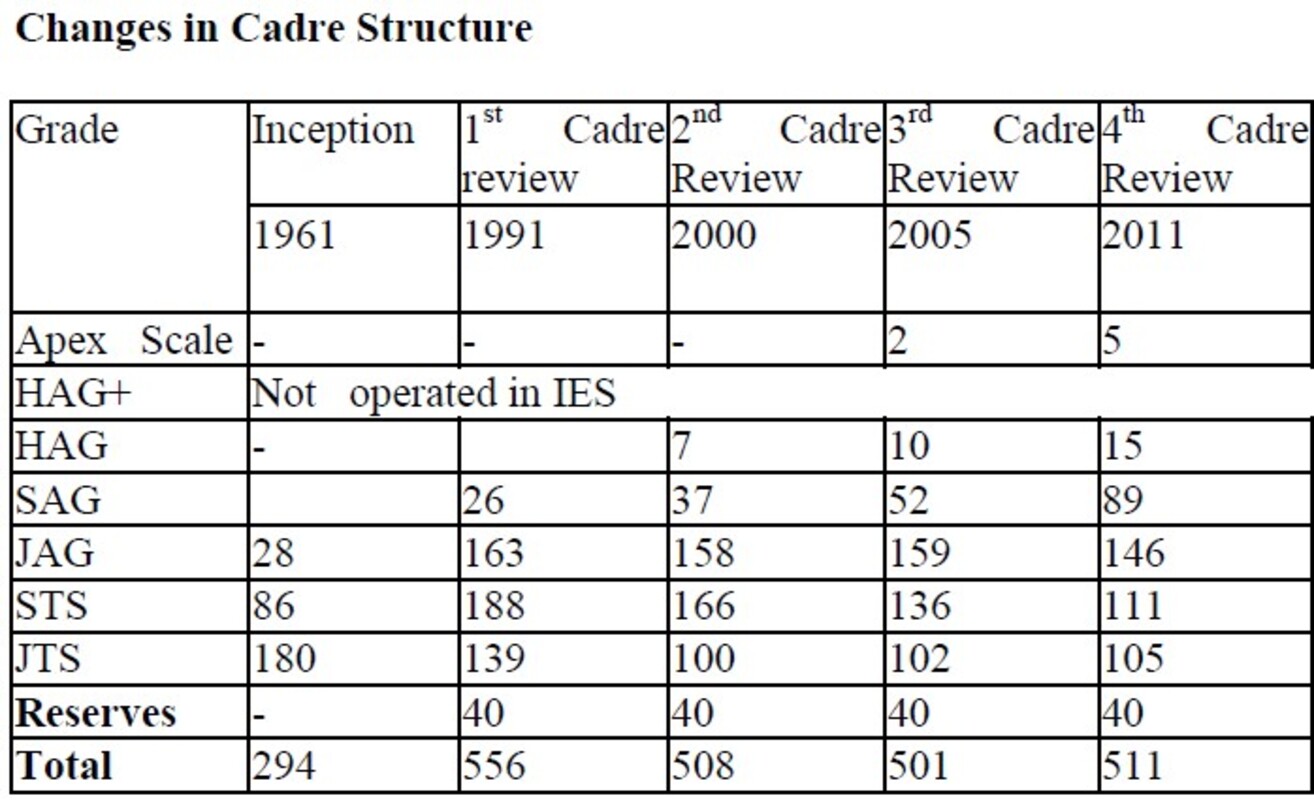
Fourth Cadre Review
Review undertaken amid increasing complexity of economic governance.
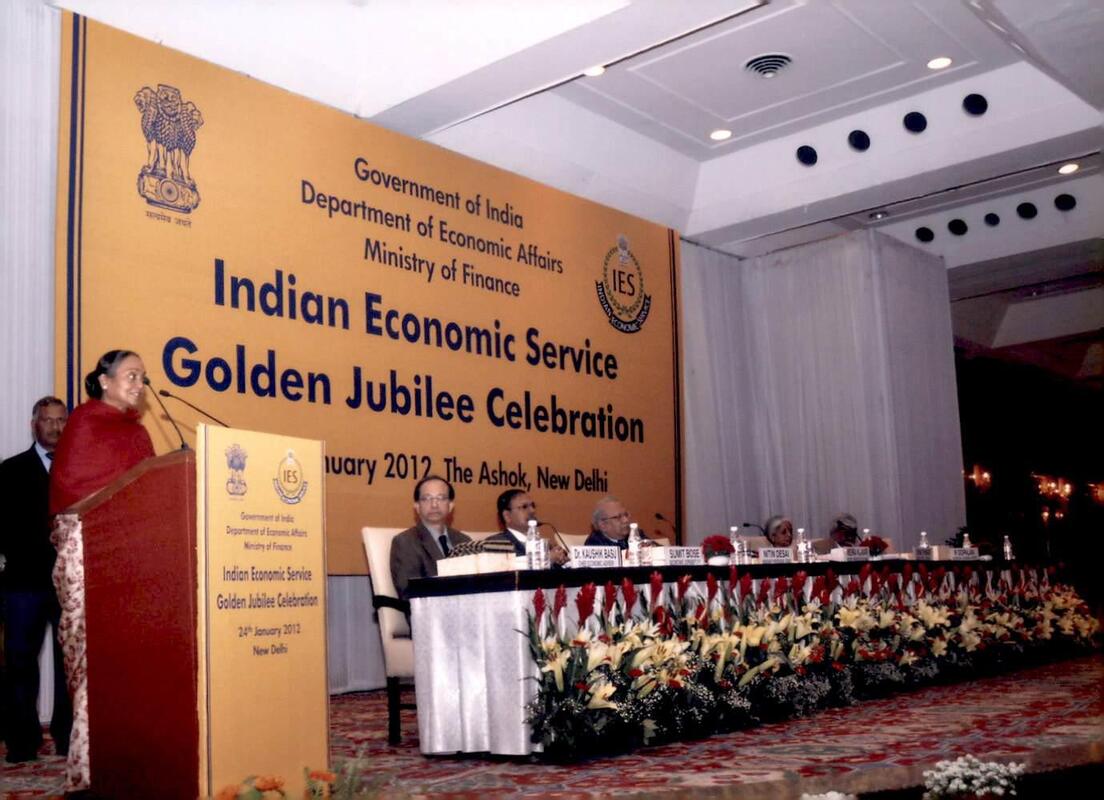
Golden Jubilee
Celebration of 50 years of the Indian Economic Service.
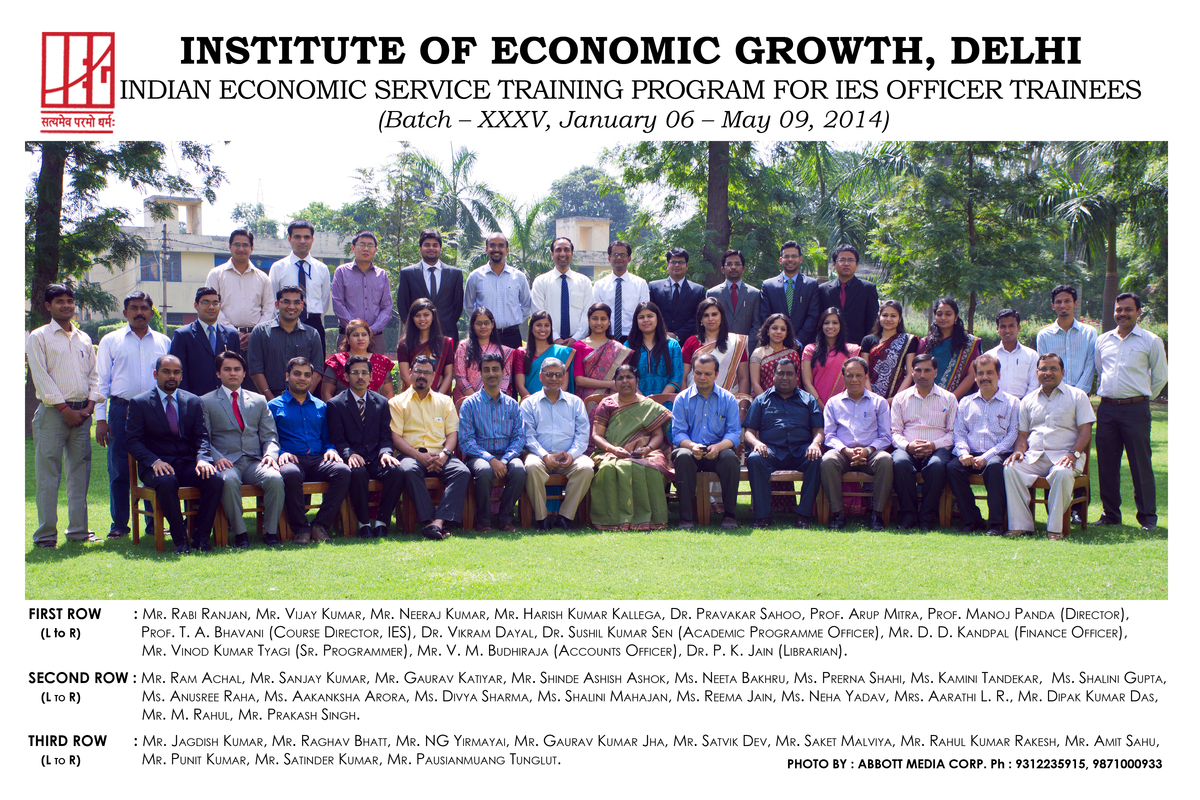
2013 Batch
Continuation of generational renewal.
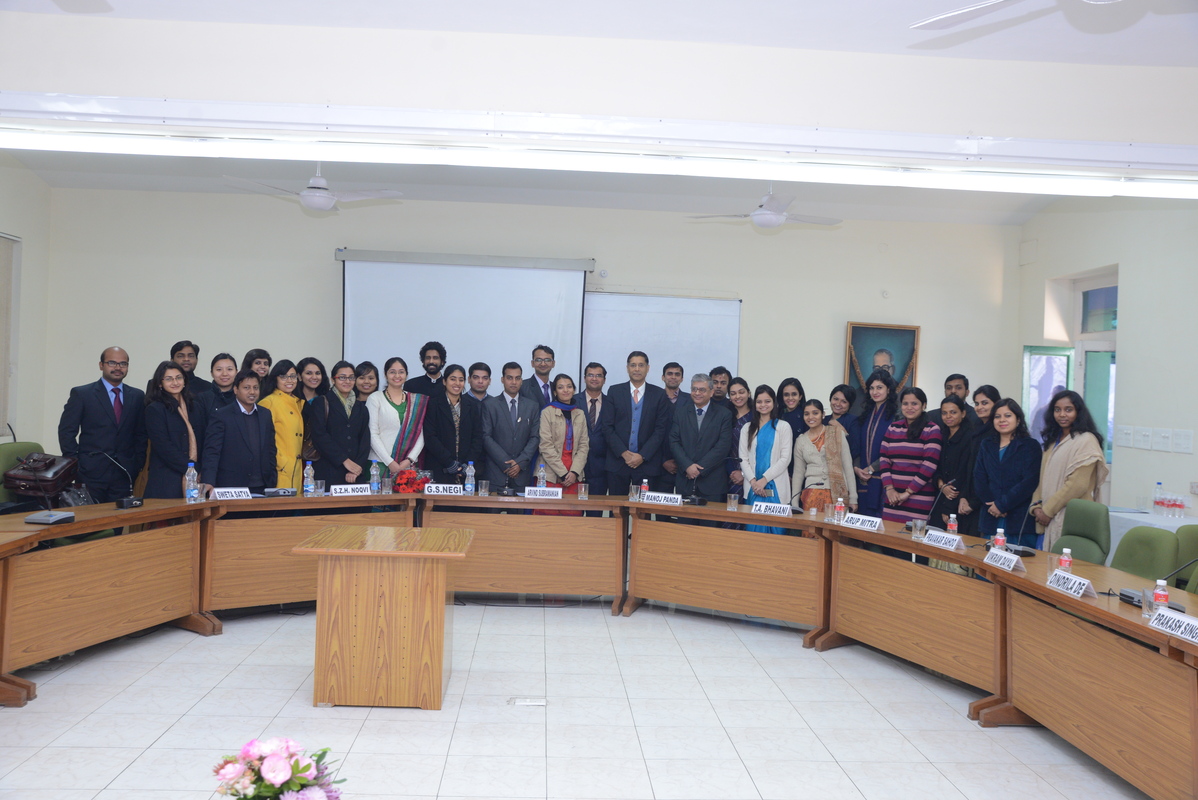
2014 Batch
Strengthening institutional continuity.
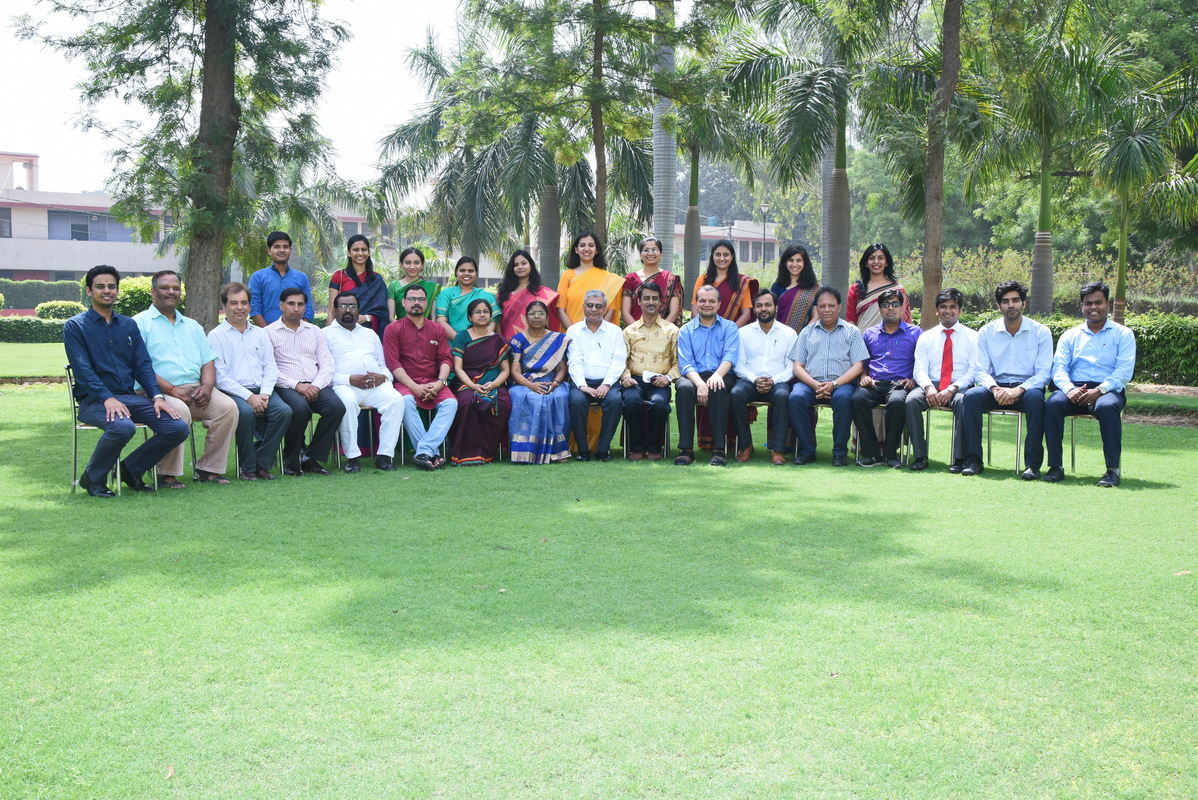
2015 Batch
New entrants add to the service’s capacity.
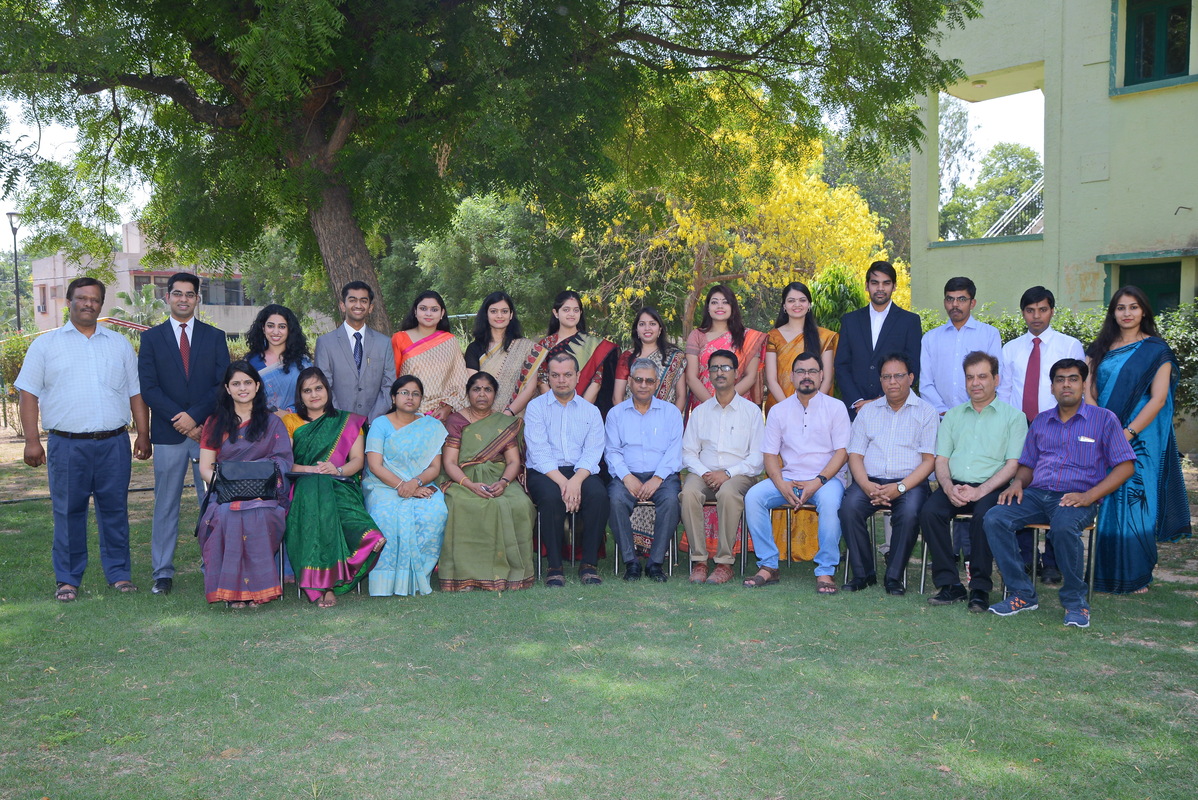
2016 Batch
The officers join at a time of evolving policy priorities and growing analytical complexity
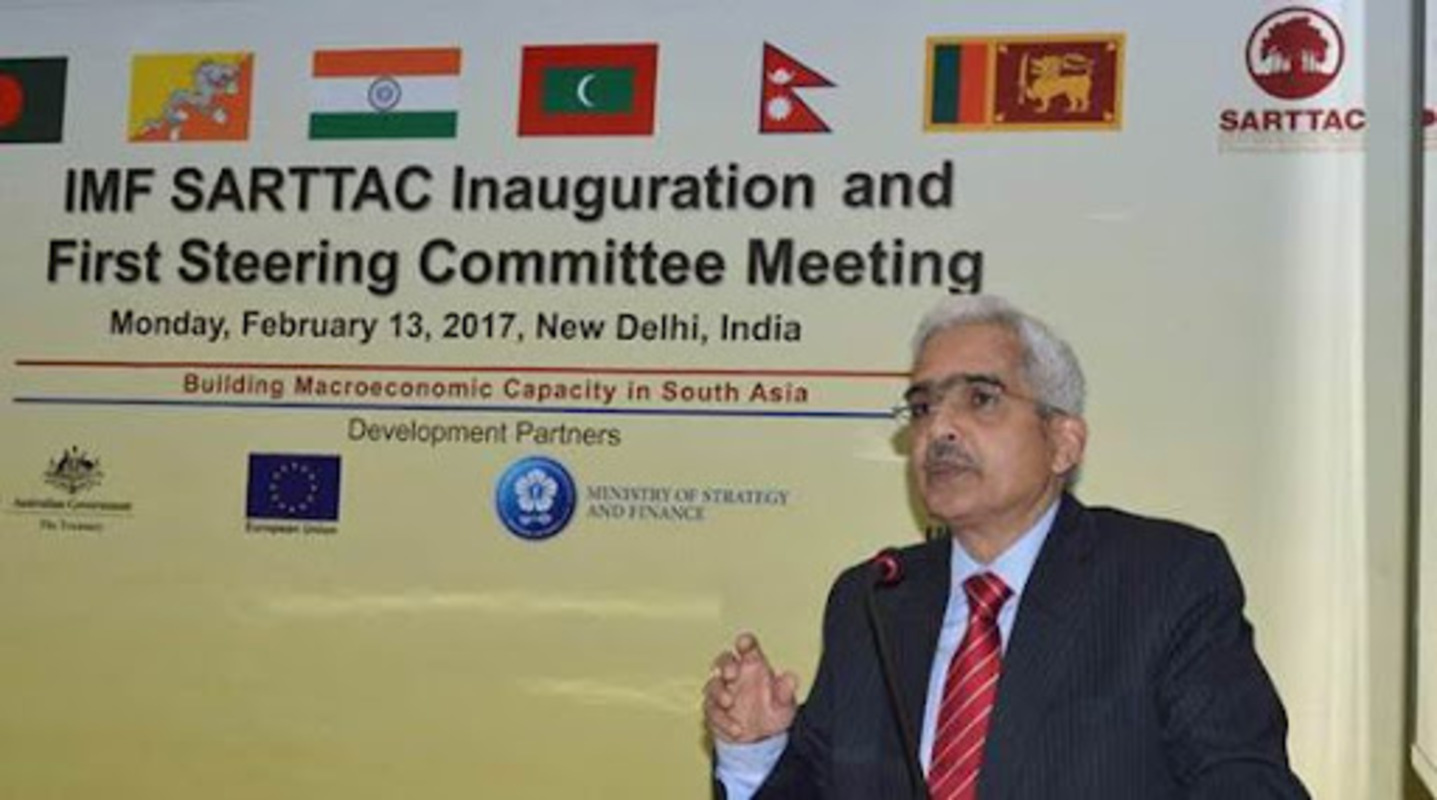
A New Chapter with SARTTAC
South Asia Regional Training and Technical Assistance Centre (SARTTAC) was inaugurated on February 13th, 2017. The soft launch of the Centre took place in January with a two-week training course on “Macroeconomic Diagnostics,” for 33 young probationary officers from the Indian Economic Service.
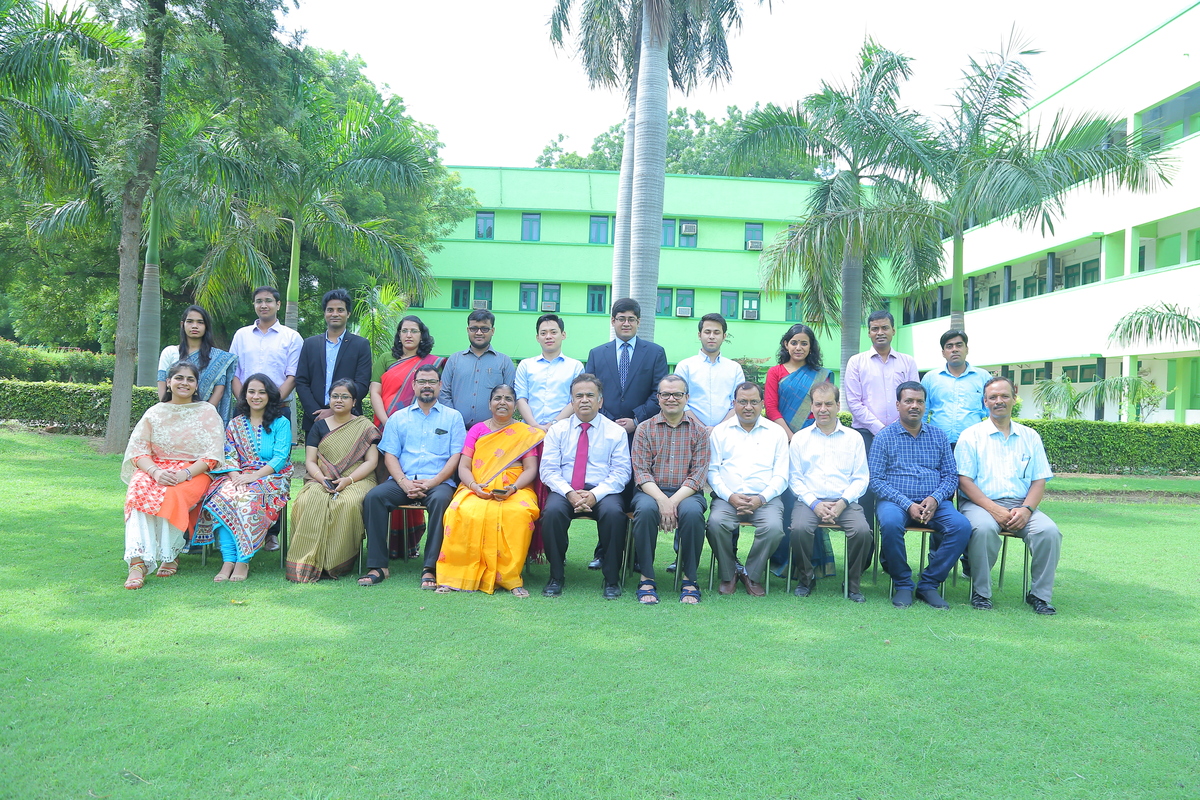
2018 Batch
Another generation joins the service.
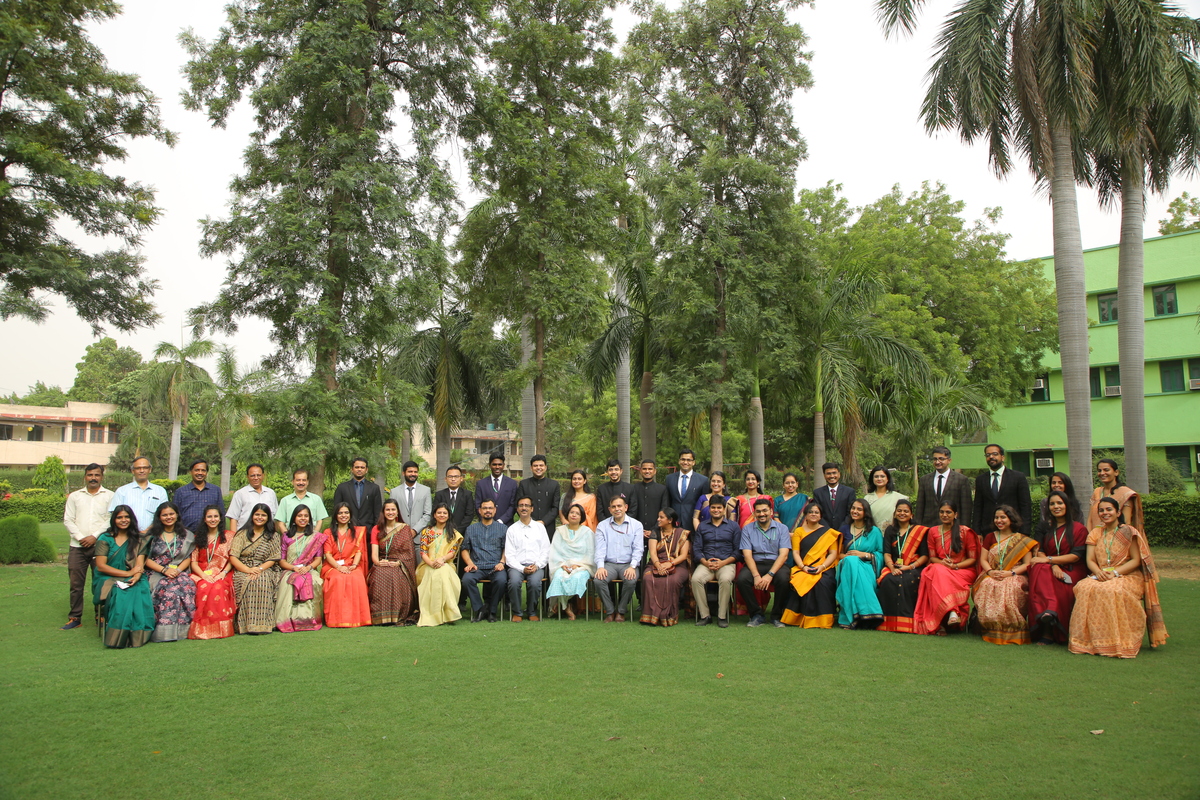
2020 Batch
Officers inducted during a period of global uncertainty.
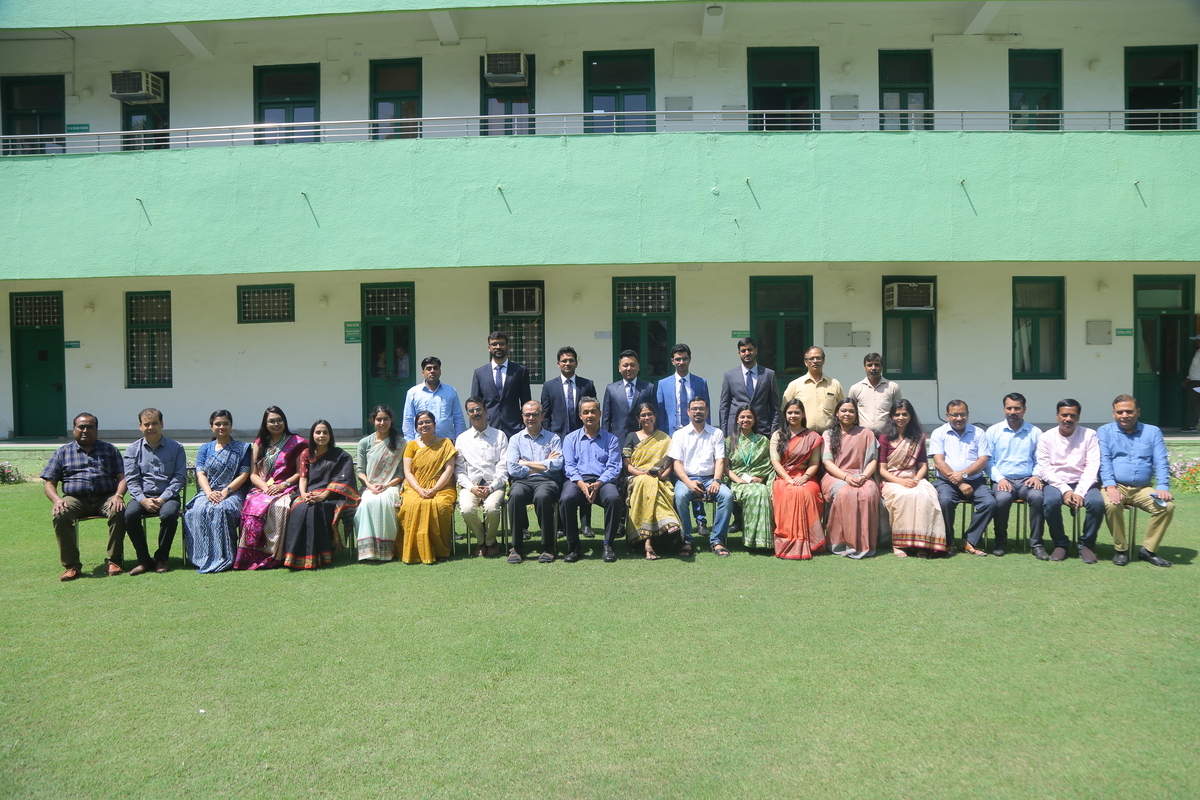
2021 Batch
Continuity and adaptation during recovery phase.
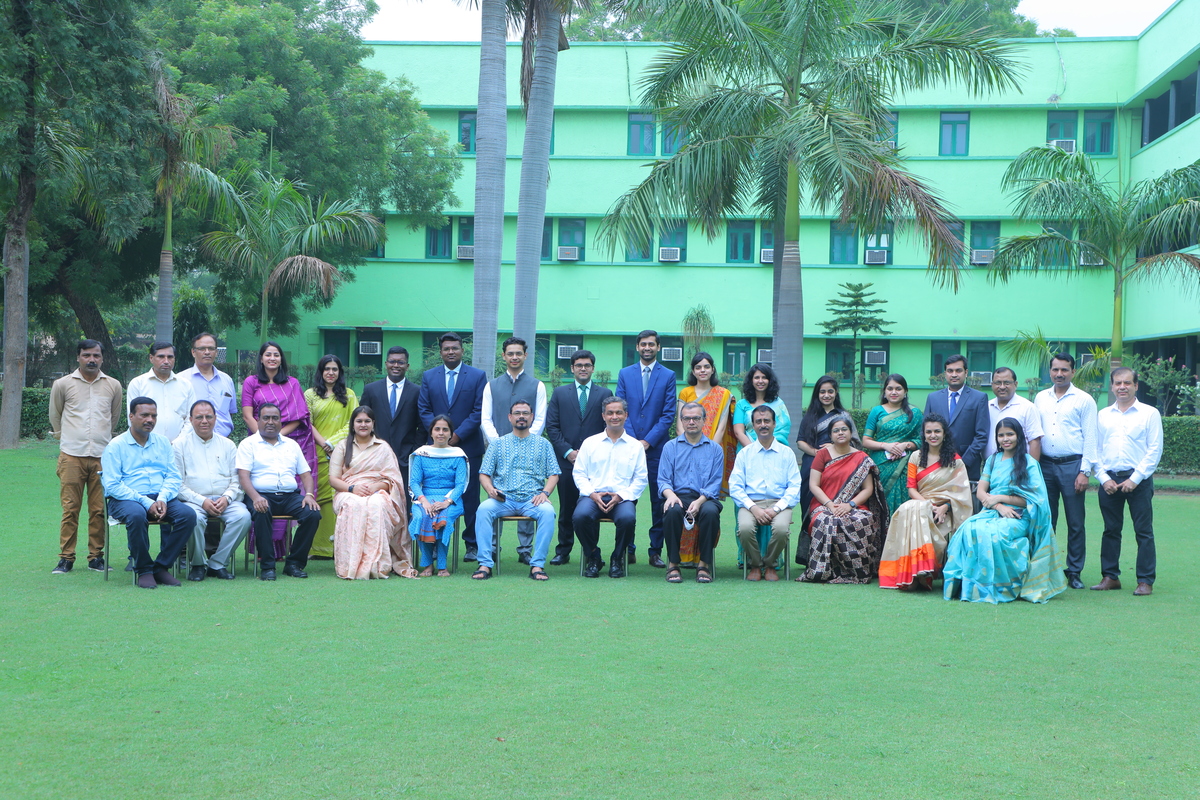
2022 Batch
Sustained recruitment into the service.
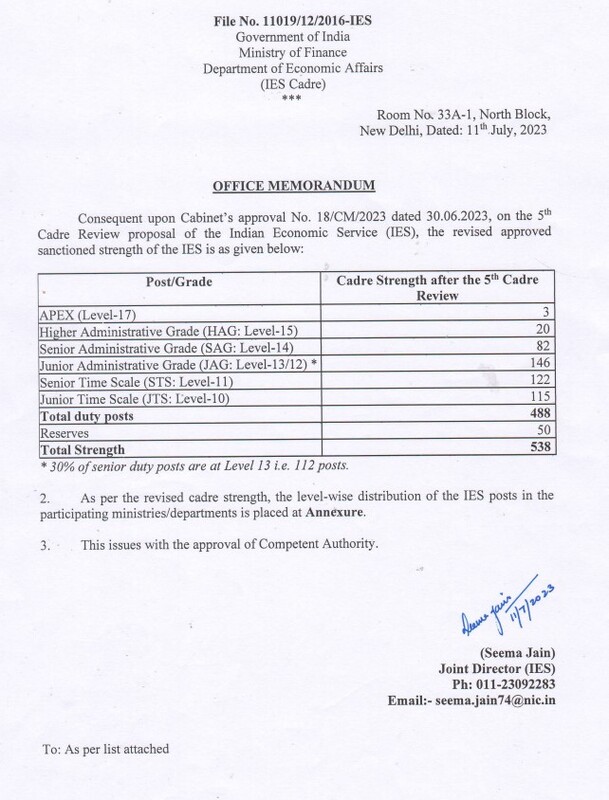
Fifth Cadre Review
Comprehensive reassessment of the service for contemporary policy needs.
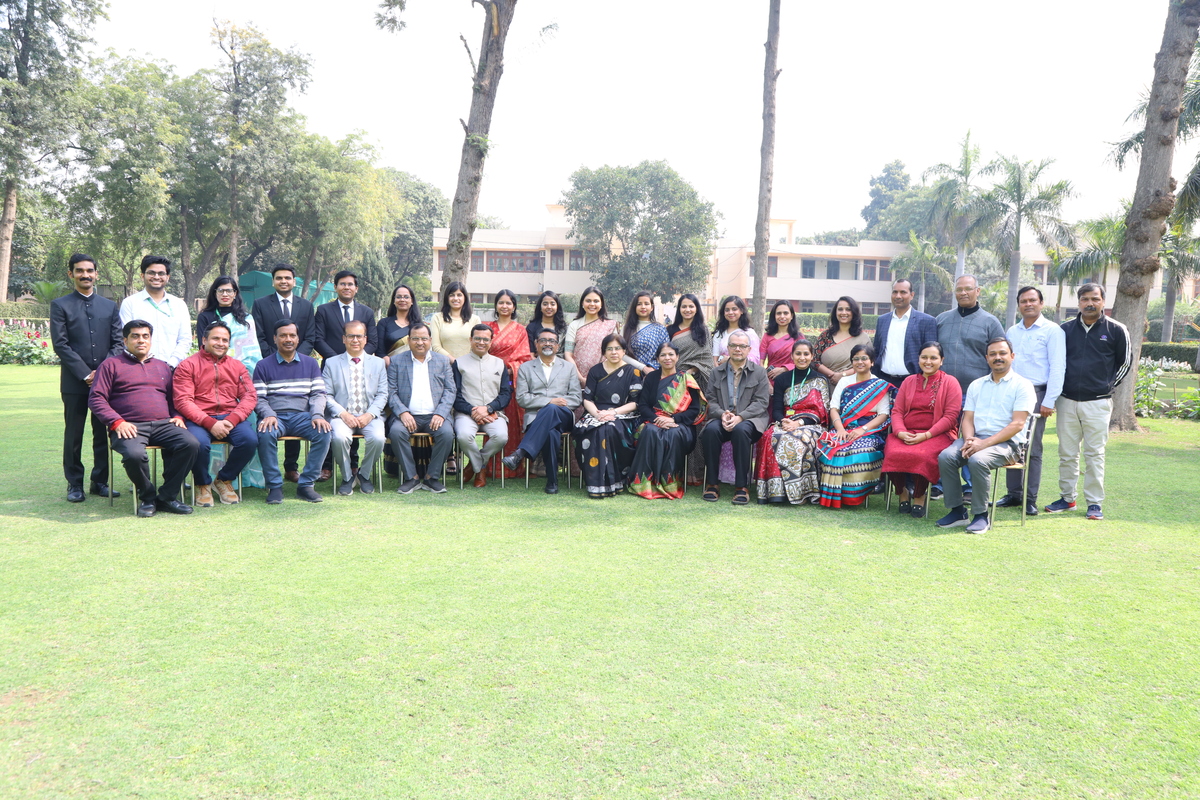
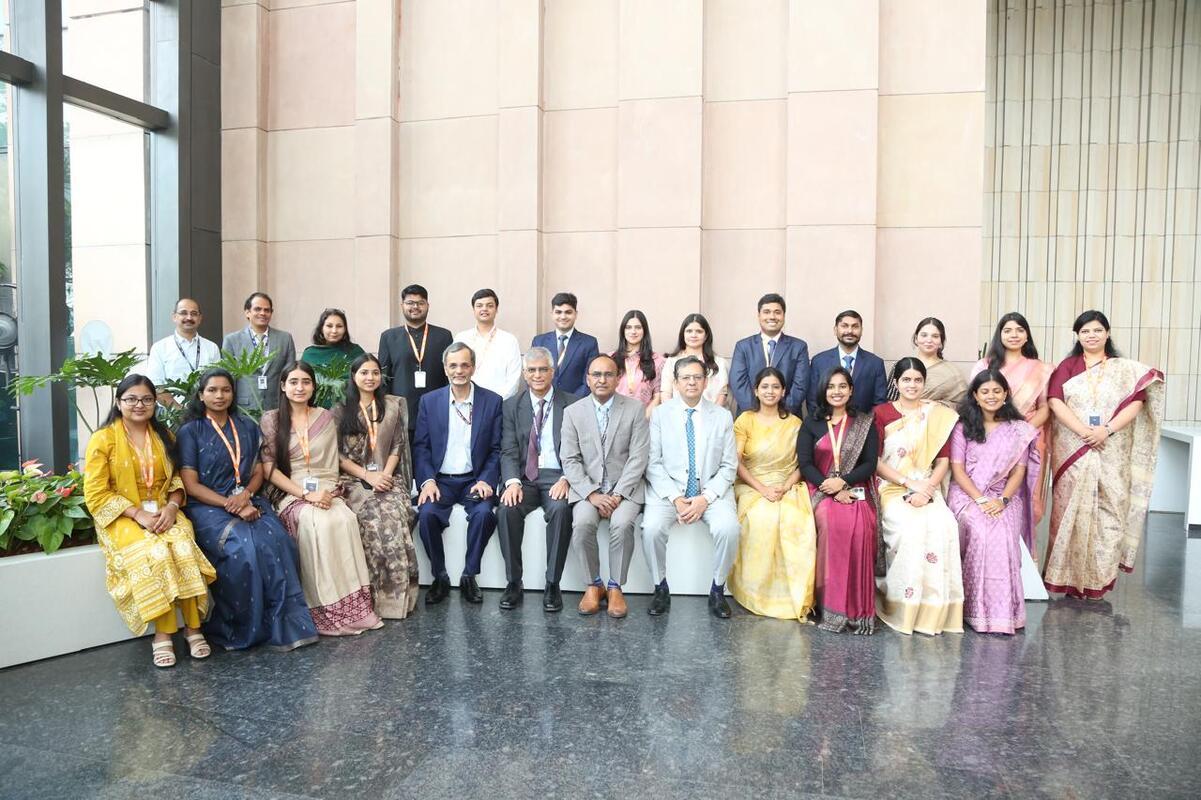
2024 Batch
Ongoing process of inducting new officers to meet functional and analytical needs.
2025 Batch
Another batch joins to lend a hand in the nation's economic journey.
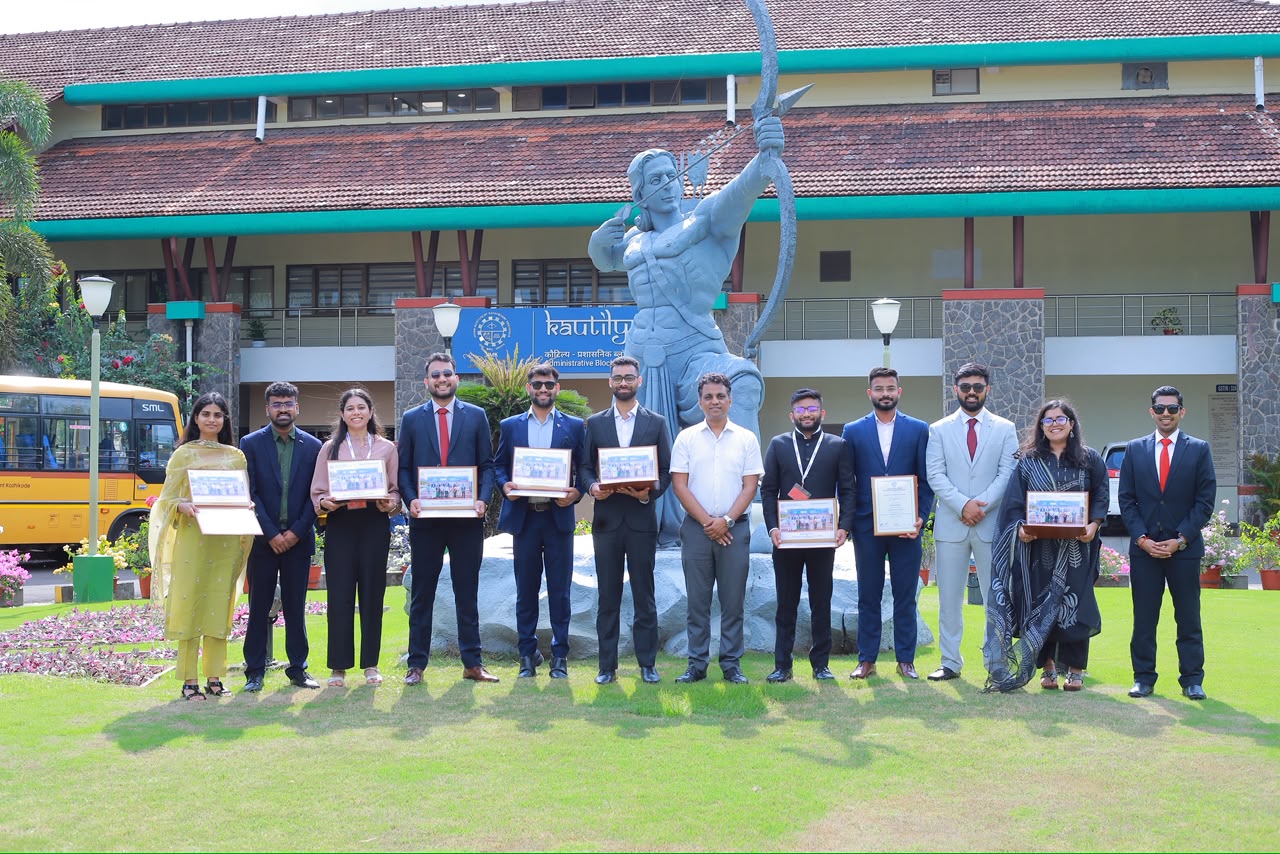
2026 Batch
Latest cohort joins the Service.